
QUICK ANSWER: Most eyelid twitches are harmless, tiny muscle spasms caused by tired eyes, stress, too much screen time, caffeine, or lack of sleep. Close your eyes, rest them for a few minutes, apply a warm compress, and cut back on screens and caffeine — the twitch usually settles within minutes to a few days.
An eyelid that keeps fluttering is annoying, especially when you are trying to work or read. In most people it is not dangerous — it is usually your eyelid muscle telling you it is tired, dry, or overstimulated. Give your eyes a proper break instead of pushing through.
What to Do Right Now
Step 1: Stop and close your eyes for 60 seconds
Stop looking at your phone or computer. Close both eyes gently — do not squeeze them tight — and sit still for a full minute. Then open them slowly and blink softly ten times. This short pause often breaks the spasm cycle and lets the eyelid muscle relax.
Step 2: Apply a warm compress for 10 minutes
Soak a clean cloth in warm (not hot) water, wring it out, and lay it over your closed eyelids for 10 to 15 minutes. The warmth relaxes the eyelid muscles and improves blood flow around the eye. Do this two or three times a day while the twitch lasts.
Step 3: Take a real screen break
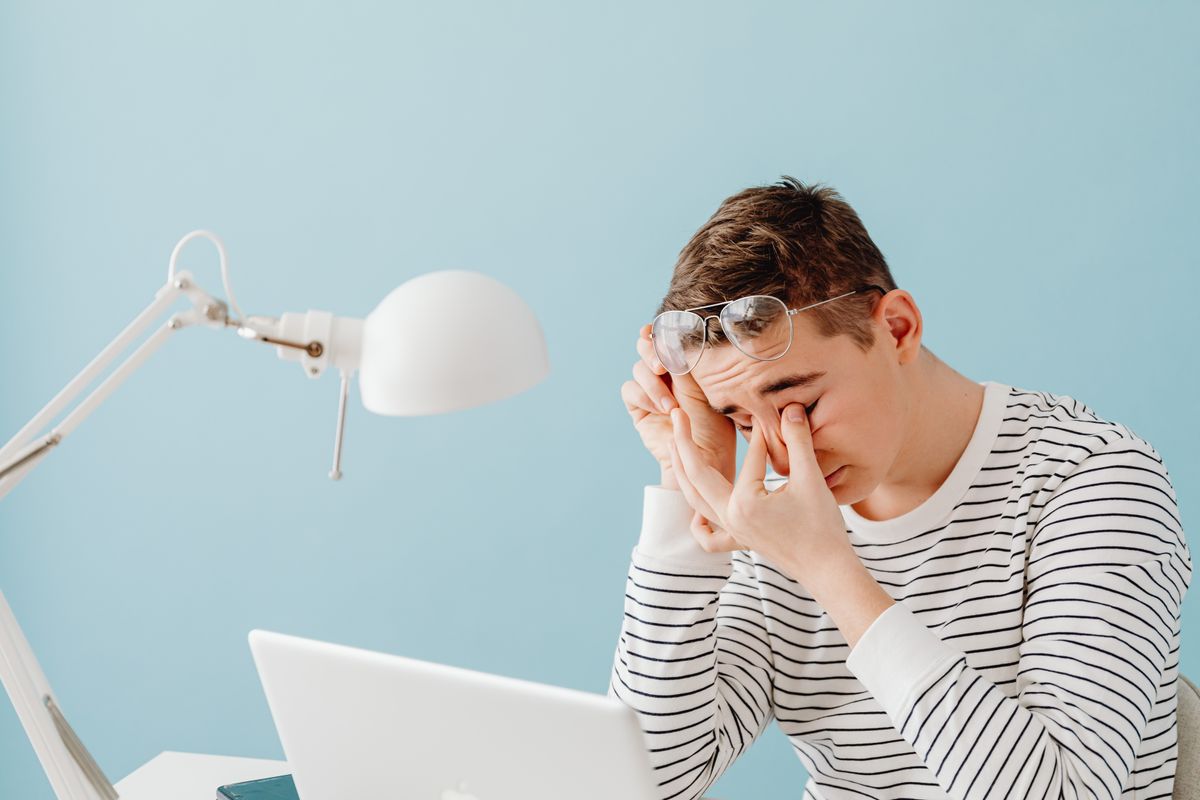
Follow the 20-20-20 rule: every 20 minutes, look at something about 20 feet away for 20 seconds. Step away from screens for 10 to 15 minutes if you can. Blink deliberately and fully — staring at screens makes us blink less, which dries the eyes and worsens twitching.
Step 4: Cut back on caffeine and drink some water
Coffee, energy drinks, strong tea, and chocolate can all overstimulate the tiny eyelid muscles. If you have had several cups today, stop there and switch to water. Drink a full glass of water now — dehydration and tiredness often go together, and both can trigger a twitch.

Step 5: Rest and lower your stress
Lack of sleep is one of the most common triggers. If you can, take a short nap or lie down with your eyes closed for 20 minutes. Try slow breathing: in for four counts, hold for four, out for four, five times.

Step 6: Ease dry eyes
If your eyes feel dry, gritty, or tired, preservative-free artificial tears can help — follow the pack directions, wash your hands first, and never share eye drops with anyone else. Avoid sitting with a fan or air-conditioner vent blowing directly into your face.
Step 7: Massage very gently
With clean hands, place a fingertip lightly on the twitching eyelid and hold gentle pressure for 30 seconds, then release. Do not press hard or rub. A light, steady touch can sometimes calm the spasm. If touching the eye makes it worse, skip this step and stick to rest and a warm compress.
Step 8: Check your recent triggers
Think about what changed today: a late night, extra coffee, hours of scrolling, or reading in dim light. Fixing that trigger is what stops the twitch from coming back tomorrow.
What NOT to Do
- Do not rub your eyes hard — rubbing irritates the eyelid and can make the twitch stronger.
- Do not poke, pull, or try to hold the eyelid down forcefully.
- Do not use someone else’s eye drops, and do not put home remedies like lemon juice or oils in your eye.
- Do not keep staring at a screen hoping the twitch will pass on its own.
- Do not stop any prescribed medicine because of a twitch — ask your doctor first if you suspect a medicine is involved.
- Do not ignore a twitch that keeps spreading or getting worse — that needs checking.
See a Doctor / Seek Urgent Care If:
- The twitch lasts more than one to two weeks, or keeps coming back for months.
- The twitch spreads to other parts of your face, or your eye closes completely and will not open.
- Your eyelid droops, or you notice redness, swelling, pain, discharge, or a change in vision.
- You have double vision, sensitivity to light that is new, or weakness in your face.
- The twitch started after a head injury, or alongside a severe headache.
- You cannot open the eye normally, or the eye looks injured.
FAQs
Why does my eyelid keep twitching?
Usually because the eyelid muscle is tired or overstimulated — by lack of sleep, stress, screen strain, caffeine, dry eyes, or eye irritation. Once the trigger settles, the muscle usually settles too.
How long will an eyelid twitch last?
Most twitches last a few seconds to a few minutes, and come and go for a day or two. If yours lasts beyond one to two weeks, or keeps returning, get it checked by a doctor.
Does an eyelid twitch mean something serious?
Almost always, no. A simple twitch on its own is very common and harmless. It is only a concern if it comes with the warning signs above — spreading to the face, drooping, pain, vision changes, or lasting far longer than usual.
This guide is for information only and is not medical advice.