
QUICK ANSWER: A stye is a small, painful red bump on the edge of your eyelid, caused by a blocked oil gland. Start warm compresses right away, keep the area clean, do not squeeze it, and give it a few days — most styes shrink and drain on their own.
You wake up, look in the mirror, and there it is: a tender red bump on your eyelid that hurts every time you blink. It is probably a stye — uncomfortable, annoying, and very common. The good news is that most styes are not dangerous, and the right first steps can help one heal faster and stop it from getting worse. What matters most is what you do in the first day or two.
Step 1: Wash Your Hands First
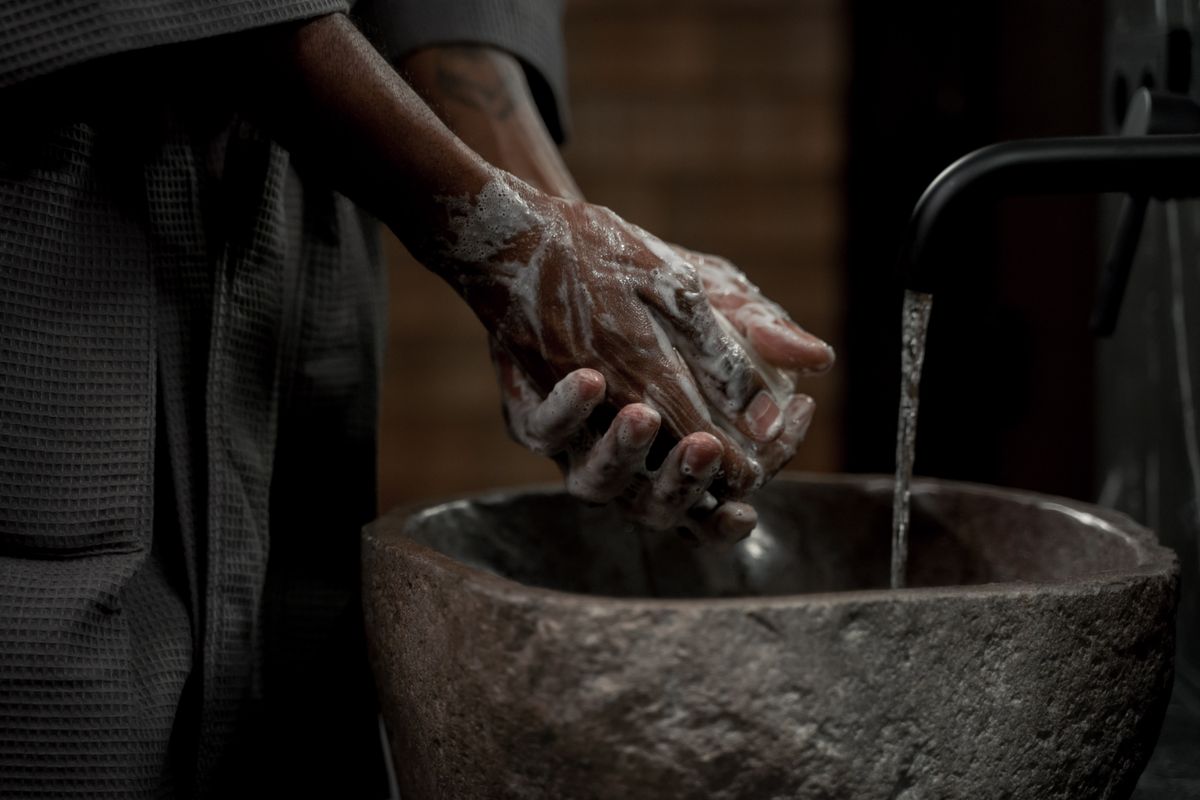
Before you touch anywhere near your eye, wash your hands well with soap and water. Your hands carry bacteria, and a stye is already an infected, irritated spot — the last thing it needs is more germs. Wash your hands again every time you apply a compress or clean the area.
Step 2: Apply a Warm Compress
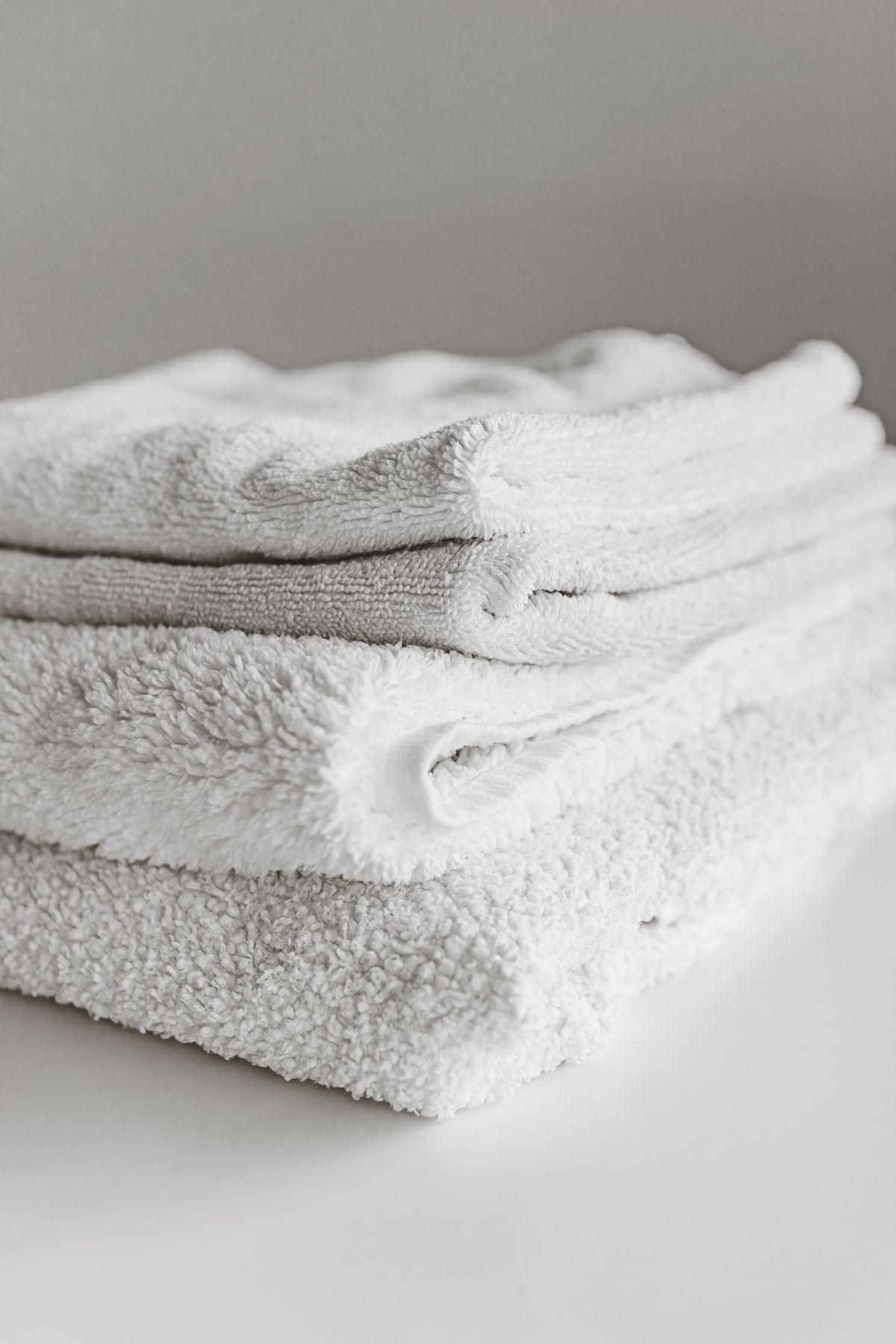
This is the single most helpful thing you can do. Soak a clean washcloth in warm — not hot — water, wring it out, and hold it gently against the closed eyelid for 10 to 15 minutes. Repeat this 3 to 4 times a day. The warmth helps the blocked gland open up and drain naturally, and it eases the soreness. If the cloth cools down, re-soak it in warm water and continue. Use a freshly washed cloth each time, and do not share towels while the stye is active.
Step 3: Keep the Eyelid Clean
Once or twice a day, gently clean the eyelid area. You can use lukewarm water, or a mild, fragrance-free cleanser on a clean cotton pad, wiping gently along the lash line. Do not scrub, and do not get soap inside your eye. Keeping the area clean helps stop the infection from spreading to nearby glands.
Step 4: Let It Drain on Its Own
After a day or two of warm compresses, a stye often comes to a small white or yellow head and drains by itself. If that happens, gently wipe away any discharge with a clean, damp cloth and keep doing the warm compresses for another day. Do not try to force it open — pressing or squeezing can push the infection deeper and make the swelling worse.
Step 5: Give Your Eyes a Break
Skip eye makeup, eyeliner, and mascara until the stye is completely gone, and throw away any eye makeup you were using when the stye appeared, since it may be contaminated. Avoid wearing contact lenses until it heals — wear glasses instead if you need them. Also try to avoid rubbing your eyes, even though the itch and soreness make it tempting. Rest your eyes where you can, and avoid heavy screen strain late at night.

Step 6: Ease the Pain Safely
If the eyelid is sore, a standard over-the-counter pain reliever such as paracetamol or ibuprofen can help — follow the pack directions and take only what you normally tolerate. Do not put antibiotic drops, steroid drops, or home remedies like toothpaste, garlic, or tea bags directly on the stye unless a doctor has advised it. Plain warm water is enough.
What NOT to Do
- Do not squeeze, pop, or try to lance the stye with a needle or pin.
- Do not rub your eyes with unwashed hands.
- Do not share towels, washcloths, or eye makeup with anyone.
- Do not wear contact lenses or new eye makeup until it has fully healed.
- Do not use someone else’s eye drops or leftover antibiotic ointment.
- Do not ignore it if the swelling keeps spreading — see the warning signs below.
See a Doctor / Seek Urgent Care If:
- The swelling spreads to the whole eyelid, cheek, or face, or your eye starts to close.
- You have vision changes, eye pain when moving the eye, or double vision.
- The stye has not improved at all after 3 to 4 days of warm compresses, or it keeps coming back.
- You develop a fever along with the eyelid swelling.
- The bump is very large, extremely painful, or bleeds.
- You have diabetes, a weak immune system, or you wear contact lenses and the eye becomes red and painful.
FAQs
How long does a stye take to heal?
Most styes improve within 3 to 5 days with warm compresses and are fully gone within a week or two. If it is still there after two weeks, get it checked.
Is a stye contagious?
A stye itself is not usually passed from person to person, but the bacteria on it can spread through shared towels or makeup. Keep your washcloths and cosmetics to yourself until it heals.
What is the difference between a stye and a chalazion?
A stye is usually painful, red, and on the eyelid edge, and it often drains. A chalazion is a firmer, usually painless lump further back on the eyelid that lasts longer. Both start with a blocked gland, but a chalazion that does not go away needs a doctor’s look.
This guide is for information only and is not medical advice.