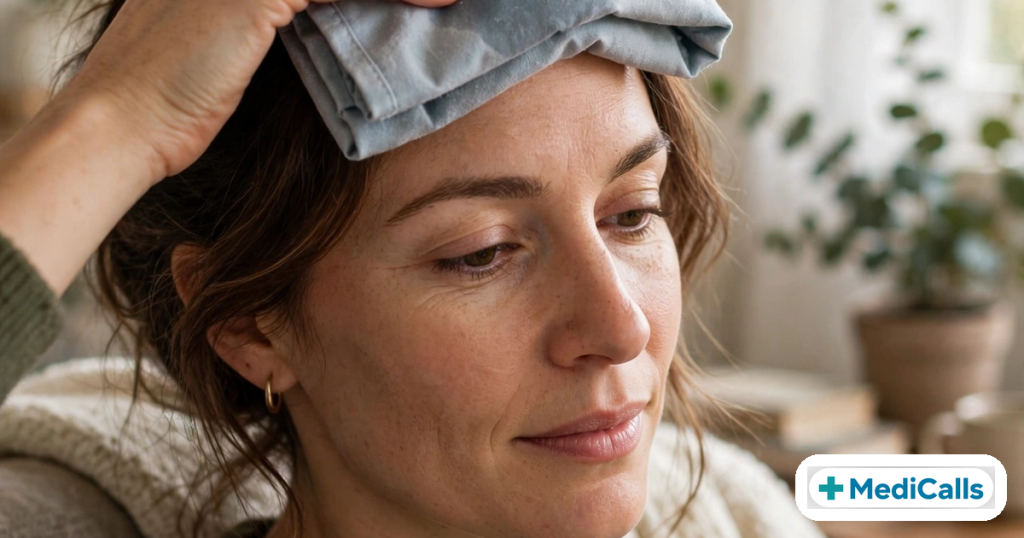
QUICK ANSWER: Sit down, stay calm, and apply a cold compress wrapped in cloth to the bump for 15–20 minutes. Rest, avoid screens and alcohol for the rest of the day, and watch for warning signs like vomiting, confusion, or worsening headache. If any red-flag symptom appears, seek urgent medical care immediately.
It happens in a second — a low shelf, an open cupboard door, a slip. Most everyday head bumps are minor, but the first hour matters. What you do now can reduce swelling, ease pain, and help you spot the rare bump that needs urgent care.
What to Do Right Now: Step by Step
Step 1: Stop and sit down. Do not try to carry on as normal. Sit or lie down somewhere safe and quiet. If you feel dizzy or nauseous, lie flat and keep your head slightly raised on a pillow. Ask someone to stay with you for the next hour or two, if possible, so they can notice any change in how you are acting.
Step 2: Check for danger signs first. Ask a few simple questions. Is the person fully awake and talking normally? Is there heavy bleeding, fluid leaking from the nose or ear, unequal pupils, slurred speech, weakness, or a seizure? If yes to any of these, call emergency services right away and do not leave the person alone.
Step 3: Apply a cold compress. Wrap ice, a gel pack, or a bag of frozen peas in a thin cloth — never place ice directly on the skin. Hold it gently against the bump for 15–20 minutes. Take a break, then repeat if it still hurts. Cold reduces swelling and works best when started within the first hour.

Step 4: Control bleeding if there is a cut. Head wounds can bleed a lot even when shallow, because the scalp has a rich blood supply. Press a clean cloth firmly on the cut for 10–15 minutes without peeking. If bleeding does not slow, or the cut is deep or gaping, get same-day medical care — it may need stitches or wound glue.
Step 5: Take simple pain relief if needed. If you have a headache, a standard over-the-counter painkiller such as paracetamol may help — follow the directions on the pack and do not exceed the recommended dose. Avoid aspirin and strong anti-inflammatory painkillers in the first 24 hours after a head injury unless a doctor advises them, because they can increase the risk of bleeding.
Step 6: Rest for the rest of the day. Skip driving, sports, and screen-heavy tasks for at least the rest of the day. Sleep is fine — rest helps recovery — but have someone check on you once or twice during the first night, just to make sure you wake normally and feel no worse.
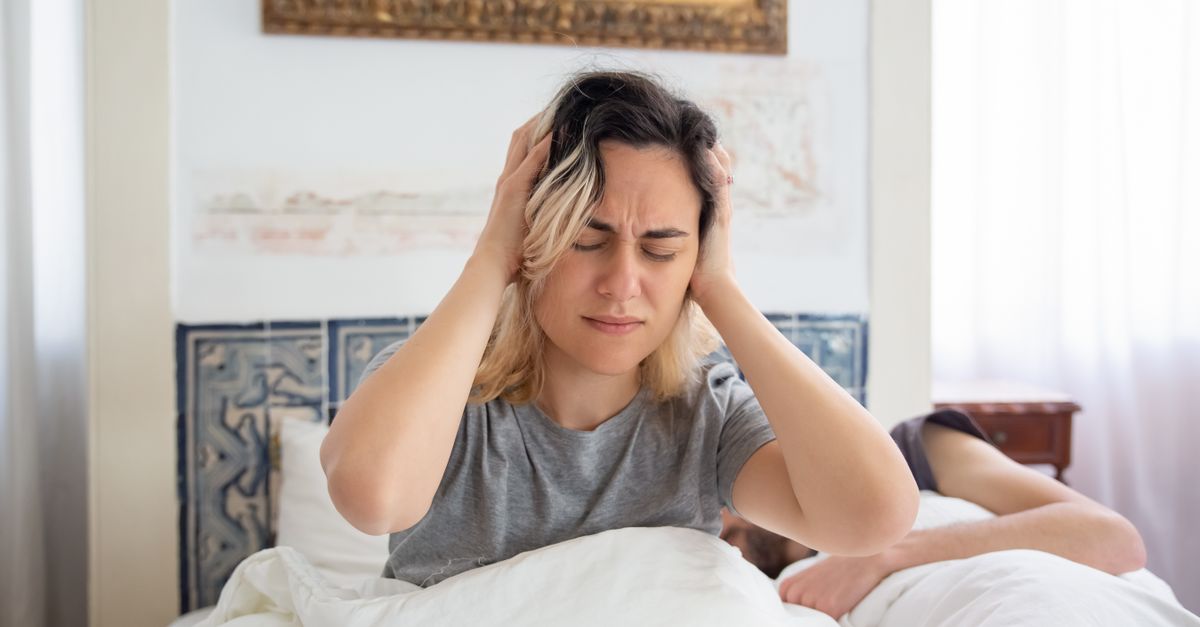
Step 7: Watch for delayed symptoms for 24–48 hours. Some symptoms appear hours later. Watch for a worsening headache, repeated vomiting, unusual drowsiness, confusion, trouble remembering what happened, blurred vision, or balance problems. Any of these means urgent medical assessment, even if you felt fine at first.
What NOT to Do
- Do not apply ice directly to bare skin — it can cause an ice burn. Always wrap it in cloth.
- Do not rub or massage the bump hard. Gentle pressure is enough.
- Do not drink alcohol or take sleeping pills after a head injury — they can mask worsening symptoms.
- Do not drive yourself to a hospital if you feel dizzy, confused, or drowsy. Ask someone else to take you or call for help.
- Do not ignore a bump just because there is no visible lump. Internal symptoms matter more than how it looks from outside.
- Do not let a child return to contact sports on the same day after a head knock — they need rest and observation first.
See a Doctor / Seek Urgent Care If:
- You lost consciousness, even briefly, or cannot remember the moments before or after the bump.
- You vomit more than once, or the headache keeps getting worse instead of better.
- You feel unusually sleepy, confused, irritable, or hard to wake up.
- There is weakness, numbness, slurred speech, vision changes, or a seizure.
- There is heavy bleeding that will not stop, a deep cut, or fluid leaking from the nose or ear.
- The injured person is a baby, a young child, an older adult, or someone who takes blood thinners.
- Symptoms are not improving after 48 hours, or new symptoms appear days later.

FAQs
Should I go to sleep after bumping my head?
Yes, sleep is not dangerous after a minor bump — rest is part of recovery. Just have someone check on you during the first night, and seek care immediately if you become hard to wake or symptoms worsen.
How long will the lump last?
A bump usually peaks within a day and fades over several days to a week. Mild tenderness is normal. If swelling grows rapidly or becomes very painful, get it checked.
When can I play sports or exercise again?
After a minor bump with no red-flag symptoms, light activity is usually fine once you have felt completely normal for a day or two. If there was loss of consciousness, confusion, or ongoing headache, wait until a doctor clears you.
This guide is for information only and is not medical advice.