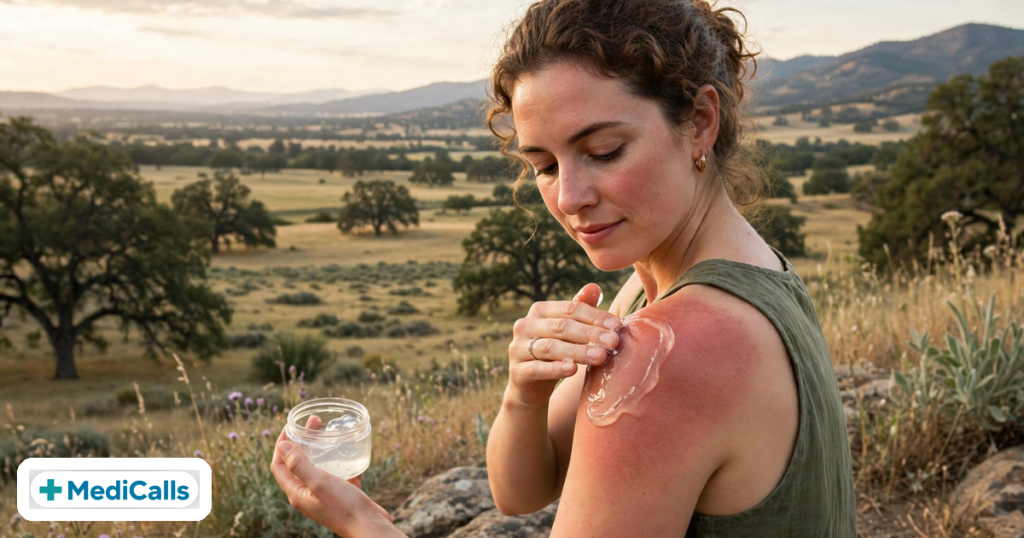
QUICK ANSWER: Get out of the sun, cool the skin gently with lukewarm water, apply pure aloe vera gel or a fragrance-free moisturiser, drink water, and leave the skin alone to heal. Most mild sunburns feel better within a day or two — but blistering, fever, or severe pain needs medical attention.
Sunburn often shows up hours after you have come indoors — the skin turns red, feels hot and tight, and even a T-shirt brushing against it can sting. For a mild burn there is a lot you can do right away to calm it down. The key is to cool the skin without shocking it, lock in moisture, and avoid anything that irritates it further.
What to Do Right Now
Step 1: Get out of the sun immediately
Move indoors or into full shade and stay there. Even a short spell of extra sun on already-burned skin makes the burn deeper and the soreness worse. Cover the burned area with loose, light clothing if you must go outside again, and do not try to “even out” a tan — burned skin needs a complete break from UV.
Step 2: Cool the skin gently
Take a lukewarm shower or bath, or press a clean cloth soaked in cool (not ice-cold) water against the burn for 10–15 minutes. Pat the skin dry very gently afterwards — do not rub it with a towel. Repeat the cool compress a few times through the day whenever the burning feeling flares up. Avoid ice directly on the skin and skip very cold water, both of which can damage already-injured skin.
Step 3: Apply aloe vera gel or a gentle moisturiser
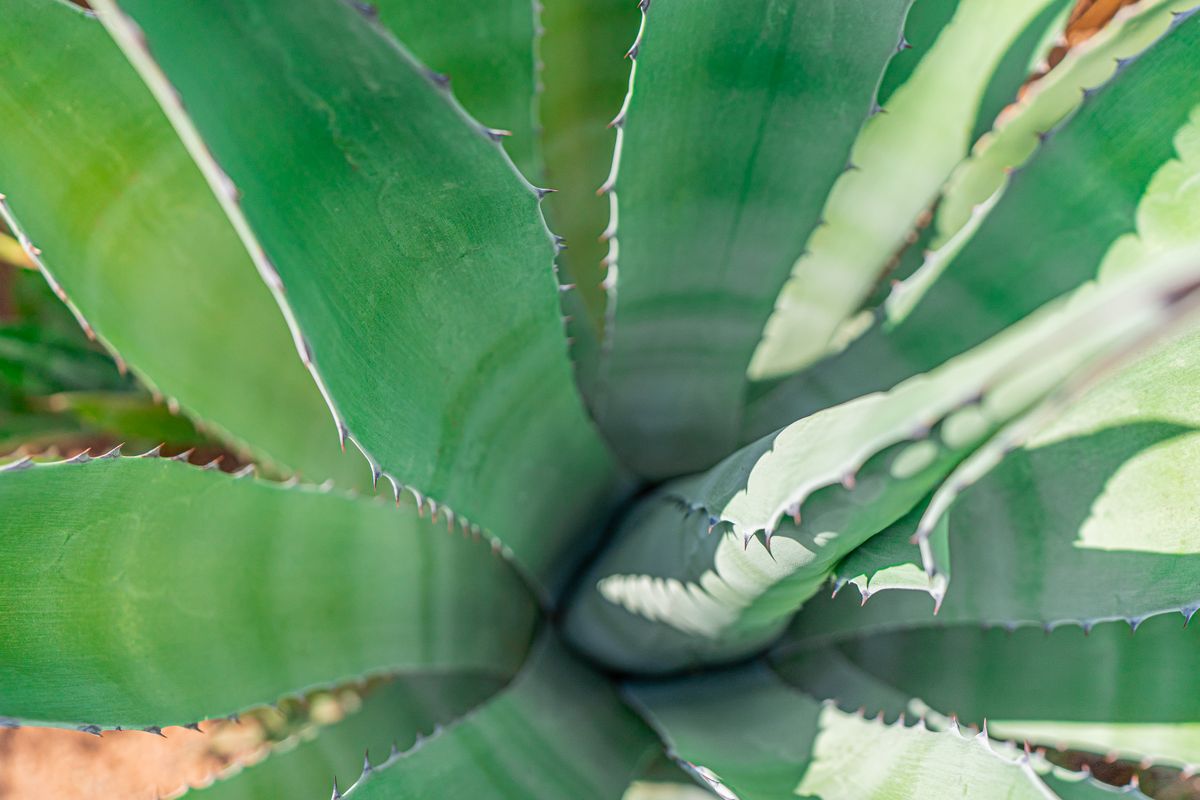
While the skin is still slightly damp, smooth on a thin layer of pure aloe vera gel, or a fragrance-free, alcohol-free moisturiser. Aloe vera cools and hydrates, which is exactly what burned skin needs. Reapply two to three times a day, or whenever the skin starts feeling tight and dry again.
Step 4: Drink water and rest
Sunburn draws fluid to the surface of the skin, so you can become dehydrated more easily than you realise. Sip water steadily through the day, and add an oral rehydration drink if you have been sweating a lot or feel light-headed. Rest, and keep the burned area loosely covered so air can reach it.
Step 5: Ease the pain if you need to
If the soreness is interfering with sleep or movement, a standard over-the-counter pain reliever such as paracetamol or ibuprofen can help — follow the pack directions and do not exceed the recommended dose. A cool, damp cloth on the area at bedtime also helps. Wear loose, soft cotton clothing and sleep on clean, soft bedding so nothing sticks to or rubs the burn.
Step 6: Protect the skin while it heals
For the next few days, keep the burned area out of direct sun completely. When you do go out, cover it with loose clothing and use sunscreen on any exposed skin. Do not peel flaking skin — let it come off on its own. Peeling is part of healing, and pulling at it can leave the new skin underneath raw and open to infection.
What NOT to Do
- Do not pop blisters. If blisters form, leave them intact — they protect the skin underneath. Cover them loosely with a clean, non-stick dressing if they rub against clothing.
- Do not use butter, toothpaste, or home “burn pastes.” These trap heat and can infect the skin.
- Do not apply perfumed lotions, alcohol-based aftersun, or harsh scrubs. Fragrance and alcohol sting and dry burned skin further.
- Do not take very hot showers or use a sauna or steam room until the burn has healed.
- Do not go back into the sun to “dry it out.” More sun only worsens the damage.
See a Doctor / Seek Urgent Care If:
- The burn blisters over a large area, or blisters on the face, hands, feet, or genitals.
- You have a fever, chills, severe headache, nausea, or confusion, or you feel faint.
- The skin is very swollen, extremely painful, or shows signs of infection — increasing redness spreading outwards, pus, or red streaks.
- A child under one year old gets sunburned, or a child of any age has a blistering burn.
- The burn does not start improving after a few days, or it gets worse instead of better.
FAQs
How long does sunburn last?
Most mild sunburns peak in redness and soreness within 24–36 hours and improve noticeably over 3–5 days. Peeling usually starts after a few days and is a normal part of healing.
Can I put ice on sunburn?
No — ice directly on burned skin can cause further damage. Use cool (not ice-cold) water, a lukewarm shower, or a damp cloth instead.
Does aloe vera really help sunburn?
Pure aloe vera gel cools and moisturises the skin, which relieves the tight, hot feeling and supports healing. It will not undo sun damage, but it makes recovery far more comfortable. Avoid gels with added alcohol or heavy fragrance.
This guide is for information only and is not medical advice.