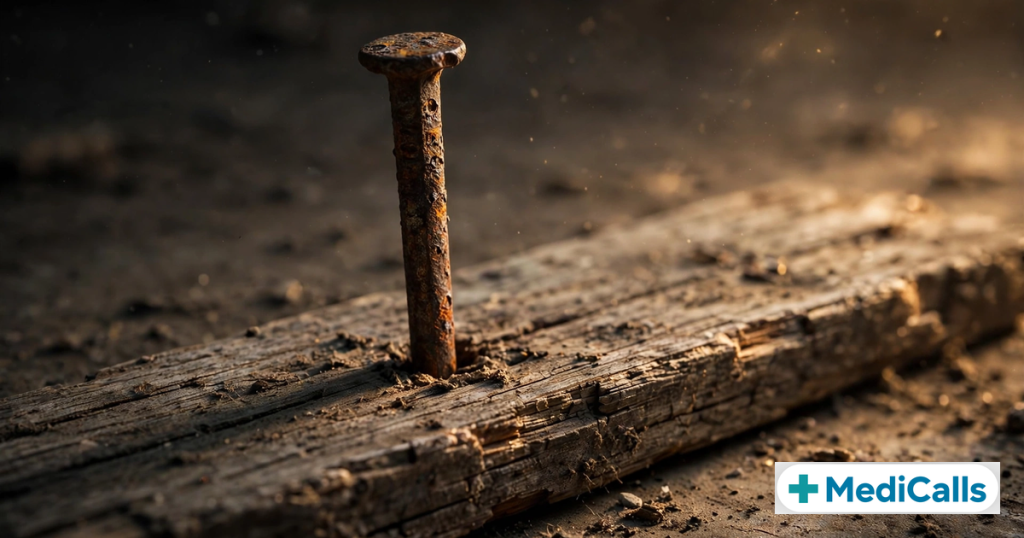
QUICK ANSWER: If you step on a nail or sharp object, remove it if it’s shallow and comes out easily, let the wound bleed for 30–60 seconds, then rinse it under clean running water for at least 5 minutes. Apply pressure to stop the bleeding, add antiseptic, cover with a clean bandage — and check your tetanus shot status. Get a tetanus booster within 48 hours if your last one was over 5 years ago or you’re not sure.
A puncture wound looks small — just a tiny hole in the skin — which is exactly why it is dangerous: a nail, screw, or thorn can push dirt and bacteria deep into tissue, and the small opening closes over quickly, trapping infection inside. With the right steps in the first few minutes, most puncture wounds heal without trouble — here is exactly what to do.
Step 1: Stop and sit down
Do not keep walking on the injured foot — that drives the object deeper. Sit down. If the nail went through your shoe, pull your foot away from the nail, then take the shoe off carefully to see the wound.
Step 2: Remove the object — only if it’s shallow
If the object is sticking out and comes out with a gentle pull, remove it — at the same angle it went in, without twisting. Rinse your hands first if you can.
If the object is deeply embedded, has broken off inside, is very long, or you cannot tell how deep it went — do NOT dig for it. Leave it in place, pad around it with clean cloth so it cannot move, and go to a clinic or emergency room.
Step 3: Let it bleed a little, then rinse well
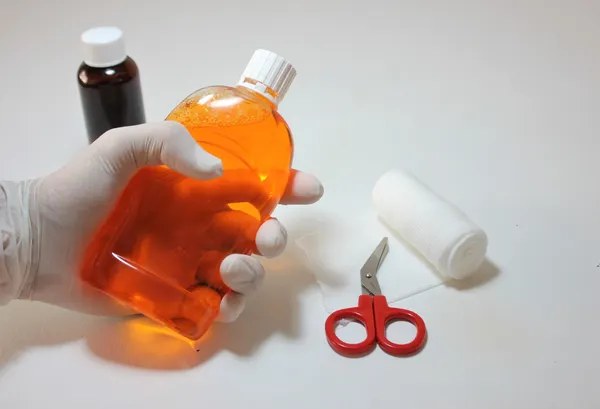
Let the wound bleed for 30–60 seconds — this flushes dirt out of the puncture track — then hold it under clean running water for at least 5 minutes. Use mild soap around the wound (not deep inside it). Do not pour hydrogen peroxide, rubbing alcohol, or concentrated antiseptic into the puncture — they damage healthy tissue and slow healing.
Step 4: Stop the bleeding with firm pressure
Press a clean cloth firmly over the wound for 10–15 minutes without peeking. If blood soaks through, add another layer on top — do not remove the first one.
Step 5: Apply antiseptic and bandage
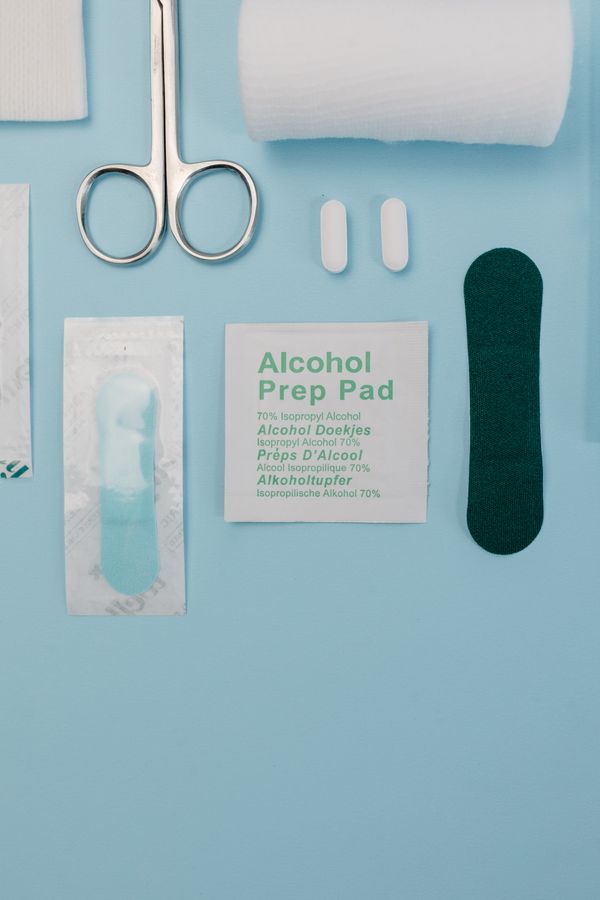
Once the bleeding stops, apply a thin layer of antiseptic ointment (such as povidone-iodine or an antibiotic ointment — follow the pack directions). Cover with a sterile adhesive bandage. Change it daily or whenever it gets wet or dirty, checking the wound each time.
Step 6: Check your tetanus status — this one matters
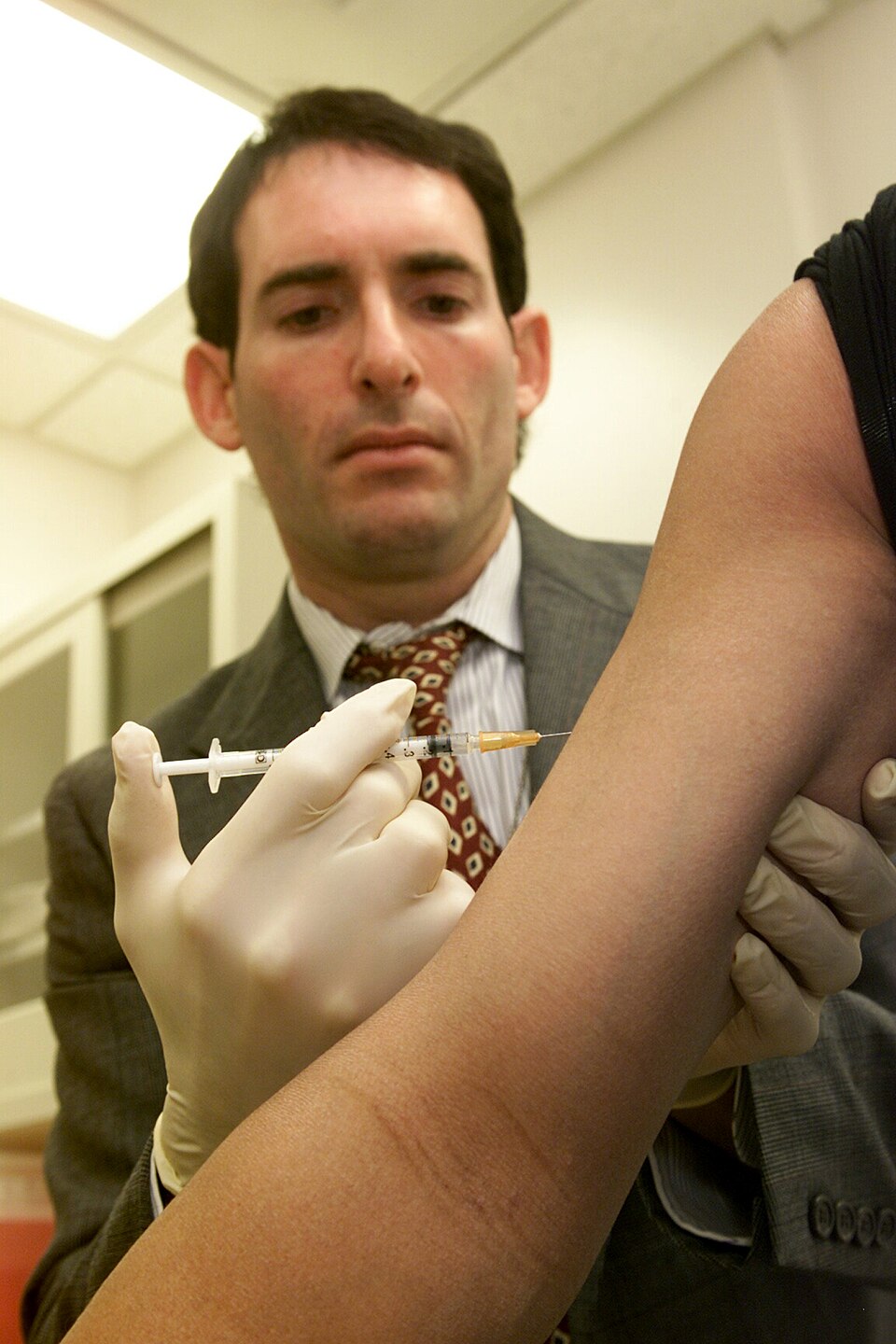
Nails and dirty punctures are the classic route for tetanus, a serious bacterial infection. If your last tetanus shot was more than 5 years ago — or you cannot remember getting one — see a doctor within 48 hours for a booster. This step is not optional for dirty or deep punctures.
Step 7: Watch it for 3 days
Watch over the next 72 hours for: increasing redness, swelling, warmth, throbbing pain, pus, red streaks spreading from the wound, or fever. Any worsening foot pain in the days after the injury needs a doctor.
What NOT to do
- Do not suck the wound or spit on it. Your mouth is full of bacteria — that adds infection, it does not clean.
- Do not pour alcohol, concentrated Dettol, or hydrogen peroxide into the puncture. They damage healthy tissue and delay healing.
- Do not dig with a needle for a piece that broke off — you push bacteria deeper. See a doctor.
- Do not skip the tetanus question. “It’s just a small hole” is how preventable tetanus happens.
- Do not walk on it barefoot again until it has closed — re-injury and re-contamination are common.
See a doctor / seek urgent care if:
- The object is deeply embedded, broken off inside, or cannot be removed cleanly
- Bleeding does not stop after 15 minutes of firm pressure
- The wound is near a joint, or you cannot move your toes or foot normally
- Numbness, tingling, or weakness in the foot after the injury
- You stepped on it through a shoe and the puncture was deep
- Your last tetanus shot was over 5 years ago, or you never had one — within 48 hours
- Signs of infection: spreading redness, red streaks, pus, increasing pain, swelling, or fever
- You have diabetes, poor circulation, or a weakened immune system — see a doctor the same day
FAQs
The nail was rusty — does that mean tetanus is certain?
No. Rust itself does not cause tetanus — the bacteria live in soil and dirt, and rusty objects are often dirty, which is why they are linked. A clean new nail is lower risk than a dirty one, but the tetanus question still applies either way: when was your last booster?
Should a puncture wound be stitched?
Almost never — closing it traps bacteria inside. Doctors clean it out and leave it to heal open under a dressing; deep ones may need a clinic visit.
Can I take a painkiller for the soreness?
Yes — a standard dose of paracetamol or ibuprofen (follow pack directions) is fine. Do not self-start antibiotics — if infection signs appear, see a doctor.
This guide is for information only and is not medical advice.