
QUICK ANSWER: If someone is choking and cannot cough, speak, or breathe, act immediately: give 5 firm back blows, then 5 abdominal thrusts (Heimlich maneuver), alternating until the object comes out or help arrives. If you are alone and choking, perform abdominal thrusts on yourself using a chair back or counter edge. Call emergency services as soon as possible.
Choking kills in minutes — not hours. When food or an object blocks the airway completely, the person cannot get air, cannot cough effectively, and cannot call for help. Panic wastes the seconds that matter. This guide tells you exactly what to do, in what order, whether it’s happening to someone near you or to you alone.
How to tell it’s real choking
A person who is merely coughing hard is NOT choking — a strong cough means air is still moving, and the body is clearing the blockage on its own. Real choking looks like this: the person cannot speak, cannot cough properly (weak, silent, or no cough at all), cannot breathe, may clutch their throat with both hands (the universal choking sign), and their face may turn red, then pale or bluish. If they can talk or cough forcefully, encourage them to keep coughing — do NOT intervene with thrusts yet.

Step 1: Shout for help and call emergency services
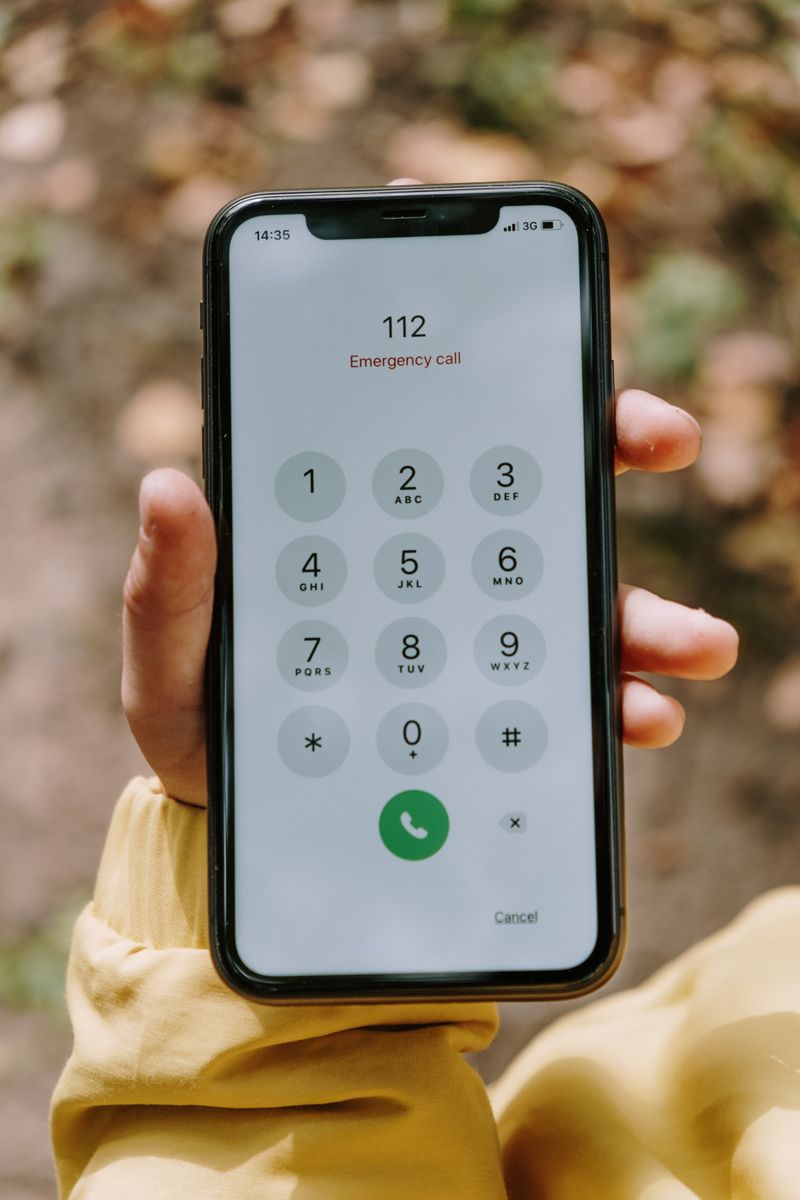
Yell for someone to call your local emergency number (112 in India, 911 in the US) immediately. If you are alone with the choking person, call on speakerphone while you start first aid — do not delay the back blows and thrusts to make the call first. Time is everything.
Step 2: Give 5 back blows
Stand slightly behind and to the side of the person. Support their chest with one hand and lean them well forward — the object must come out of the mouth, not slide further down. With the heel of your other hand, give up to 5 sharp, firm blows between the shoulder blades. Check after each blow: if the blockage clears, stop.
Step 3: Give 5 abdominal thrusts (Heimlich maneuver)
If back blows don’t clear it, stand behind the person and wrap your arms around their waist. Make a fist with one hand and place it just above their navel, well below the ribcage. Grasp the fist with your other hand and pull sharply inward and upward — like trying to lift them off the ground. Give up to 5 thrusts. Check after each one.
Alternate 5 back blows and 5 abdominal thrusts until the object comes out, the person can breathe or cough strongly again, or they become unresponsive.
Step 4: If the person becomes unresponsive
Lower them gently to the ground. Call emergency services if not already done, and begin CPR (chest compressions). Each time you open the airway to give breaths, look inside the mouth — if you can SEE the object, remove it with your fingers. Never do blind finger sweeps — you can push the object deeper.

Step 5: If YOU are choking and alone
Stay calm — panic tightens your throat. Try to cough forcefully first; a strong cough is your best tool. If you cannot cough, speak, or breathe, perform abdominal thrusts on yourself: make a fist just above your navel, grasp it with your other hand, and thrust inward and upward sharply. Or lean your upper abdomen hard against a firm edge — the back of a chair, a table edge, or a kitchen counter — and push down quickly and forcefully. Call emergency services first if you can, on speaker.
Step 6: After the blockage clears
Even if the person seems fine, get them checked by a doctor the same day. Abdominal thrusts can bruise ribs or internal organs, and a partial piece of food may still be lodged in the airway or have gone into a lung. Watch for persistent coughing, wheezing, difficulty swallowing, or chest pain in the hours after — all reasons to seek care promptly.
What NOT to do
- Do not do abdominal thrusts on someone who is coughing strongly or talking. A forceful cough clears most partial blockages on its own; thrusts can turn a partial blockage into a complete one.
- Do not slap the back of someone sitting upright or leaning back. Back blows only work when the person is leaning well forward — otherwise gravity works against you.
- Do not do blind finger sweeps inside the mouth. Only remove an object you can clearly see.
- Do not give water to a choking person. It does not help and can make things worse if the airway is blocked.
- Do not perform abdominal thrusts on a pregnant woman or a very obese person — use chest thrusts instead: hands on the center of the breastbone, pulling straight back.
- For babies under 1 year, do NOT use abdominal thrusts. Hold the baby face-down along your forearm (head lower than chest), give 5 back blows, then turn face-up and give 5 chest thrusts with two fingers. Alternate until help arrives.
See a doctor / seek urgent care if:
- The choking episode just happened — even if the person feels fine now (same-day check)
- Coughing, wheezing, or noisy breathing continues after the object came out
- Difficulty swallowing, drooling, or a feeling that something is still stuck
- Chest or abdominal pain after abdominal thrusts were performed
- The person became unresponsive at any point, even briefly
- A child swallowed or inhaled a small object (coin, button battery, toy part) — button batteries are an emergency even without choking symptoms
- Choking happens repeatedly, especially in an older adult — it can signal a swallowing problem that needs evaluation
FAQs
How do I know when to stop the back blows and thrusts?
Stop as soon as the object comes out or the person starts breathing, coughing strongly, or speaking. Continuing thrusts after the airway is clear serves no purpose and risks injury. If the person becomes unresponsive, switch to CPR.
Can abdominal thrusts break ribs?
They can cause bruising and, occasionally, rib fractures — especially in older adults. But a broken rib heals; a blocked airway kills. Never withhold the maneuver out of fear of injury when someone truly cannot breathe.
How can I prevent choking in the first place?
Eat slowly and chew food well, don’t talk or laugh with a full mouth, cut food into small pieces for children and elderly people, and keep small objects, coins, and button batteries away from toddlers. Anyone who chokes frequently should be evaluated for swallowing difficulties.
This guide is for information only and is not medical advice.