
QUICK ANSWER: Don’t panic, don’t dig, and don’t let your child sniff it further up. Keep them calm and try a gentle nose-blow or the “parent’s kiss” technique — most small objects pop right out on the first try. If it was a button battery or small magnets, skip the home tricks and go to urgent care immediately.
Why This Happens (and Why Speed Matters)
Toddlers explore the world nose-first. Beads, peas, bits of crayon, buttons, pebbles, small toy parts, rolled-up tissue — if it fits in a little fist, it can end up in a little nostril. Most of the time the object sits in the front of the nostril and is easy to remove. The real danger is pushing it deeper with clumsy rescue attempts, where it can block breathing or irritate the lining. Button batteries are the one true emergency: they can start burning nasal tissue within hours.
Step 1: Stay Calm and Keep Your Child Still
Your panic becomes their panic, and a crying, squirming child makes everything harder. Sit them on your lap, speak in a low steady voice, and tell them you’re going to help their nose feel better. Ask an older child exactly what they put in and which side — the answer decides your next move.

Step 2: Look Before You Touch
Shine a torch or your phone flashlight gently at the nostril opening and look for the object. If you can clearly see it sitting near the entrance and it has an edge you could safely grip, you may try once with clean fingers — but if you can’t see it, don’t go fishing for it. Blind poking is how objects get pushed deeper.
Step 3: Try a Gentle Blow
Ask your child to close their mouth, then press your finger gently over the clear nostril to seal it. Have them blow out through the blocked side — firmly but not violently — into a tissue. For a toddler who can’t blow on command, get them to “blow out the birthday candles” through their nose; the game framing often works. One or two tries is enough.

Step 4: Try the “Parent’s Kiss” Technique
This paediatrician-recommended trick works surprisingly often. Place your mouth over your child’s open mouth to make a seal, close the clear nostril with your finger, and blow one short, sharp puff of air into their mouth. The pressure travels up behind the object and pops it out of the blocked nostril. It feels strange, but it’s safe and takes seconds.
Step 5: Stop After Two Tries and Get Help
If the object hasn’t come out after two gentle attempts, stop trying. Repeated blowing, picking, and prodding push it deeper and scratch the delicate nasal lining. Call your paediatrician or head to urgent care — doctors remove nasal foreign bodies every day with proper tools, usually in under a minute.
What NOT to do
- Do NOT dig with tweezers, pins, cotton buds, hairpins, or your fingernail — these push the object deeper and can injure the nose.
- Do NOT try to grab something you can’t clearly see.
- Do NOT let your child sniff, snort, giggle hard, or “smell” the object — every inward breath pulls it further up.
- Do NOT squirt water or saline forcefully up the nose to flush it out.
- Do NOT “wait and see” for days — a forgotten object causes a foul-smelling, one-sided discharge and infection.
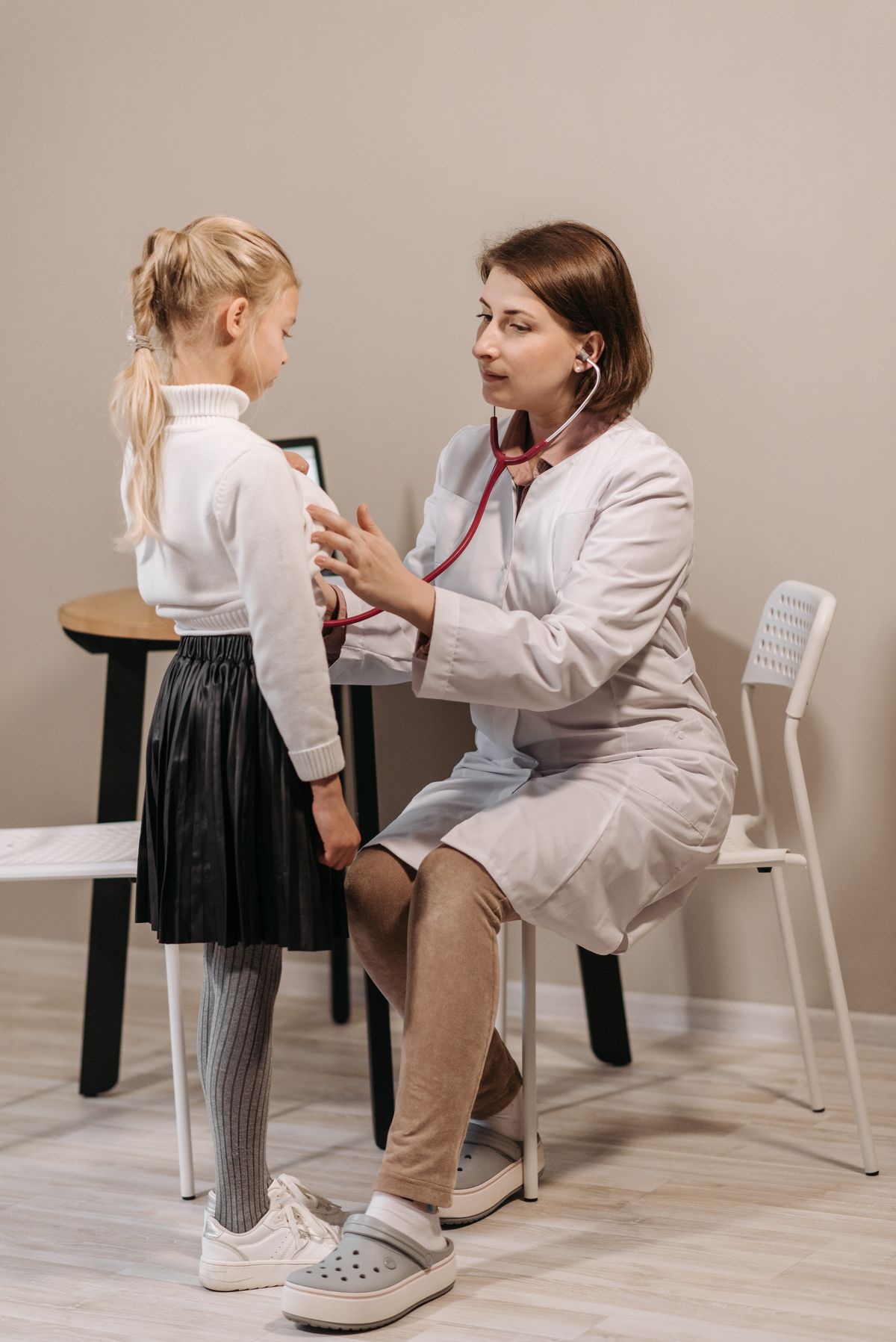
See a doctor / seek urgent care if:
- It was a button battery or small magnets — treat as an emergency and go now, don’t wait for symptoms
- The object is sharp (a pin, staple, piece of glass, or thorn)
- Nosebleeding won’t stop after 10 minutes of gentle pressure on the soft part of the nose
- Your child is having any trouble breathing
- You can’t see the object, or you suspect it has gone deeper
- There is foul-smelling, bloody, or one-sided nasal discharge days later (a classic sign of a retained object)
- Your child is in pain, very distressed, or develops a fever
FAQs
Can I use tweezers if I can see the object clearly?
Even then, it’s risky. A sudden head jerk can drive tweezers into the nasal lining, and smooth round objects (beads, peas) tend to slip deeper when gripped. The blow-out methods above are safer. If they fail, a doctor’s tools do the job in seconds.
What if my child pushed a button battery up their nose?
Go to urgent care or the emergency department immediately — this is the one scenario where you skip every home step. Button batteries react with nasal moisture and can cause serious tissue burns within a couple of hours. Tell the staff exactly what happened so they prioritise it.
The object came out — do we still need to see a doctor?
Usually not. Watch your child for a day or two: mild sniffles or a tiny bit of blood right after is normal. But if you notice persistent one-sided blockage, bad smell, or bloody discharge, get checked — a fragment may have been left behind.
This guide is for information only and is not medical advice.