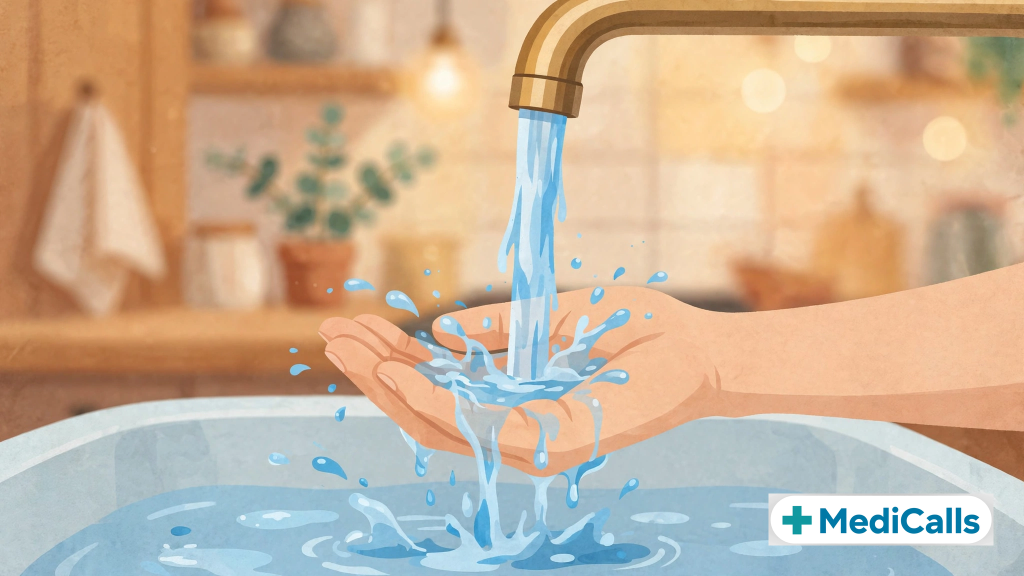
QUICK ANSWER: Immediately cool the burn under cool (not ice-cold) running water for a full 20 minutes. Then cover loosely with cling film or a clean non-fluffy cloth. Don’t apply toothpaste, butter, or oil — they trap heat and cause infection.
Step 1: Cool under running water for 20 minutes
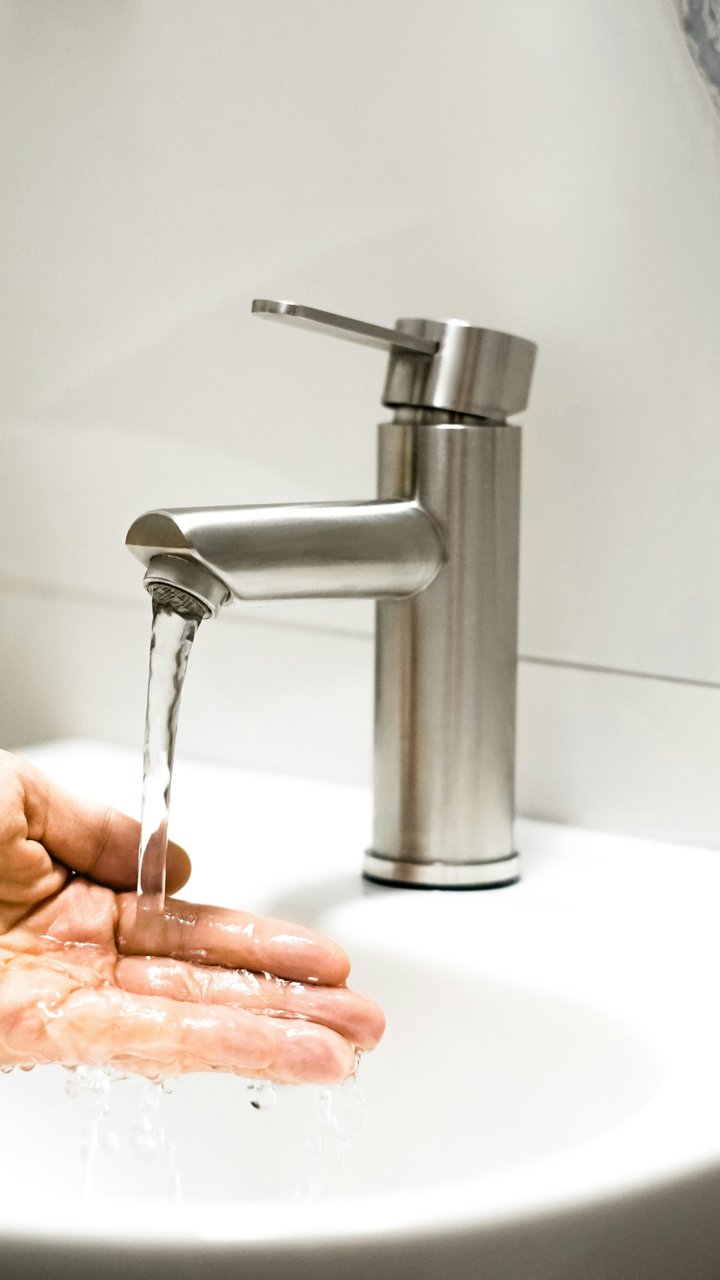
Get the burnt hand under cool running tap water as fast as you can — within seconds if possible. Keep it there for a full 20 minutes; set a timer. This is the single most effective thing you can do: it stops the burn from going deeper and dramatically reduces pain and blistering. Cool means comfortable tap water, not ice water.
Step 2: Remove rings, watches, and tight items
Burns swell fast. Gently slide off any rings, bracelets, or watches from the burnt hand before swelling makes them stuck. Do this while cooling, carefully.
Step 3: Cover loosely
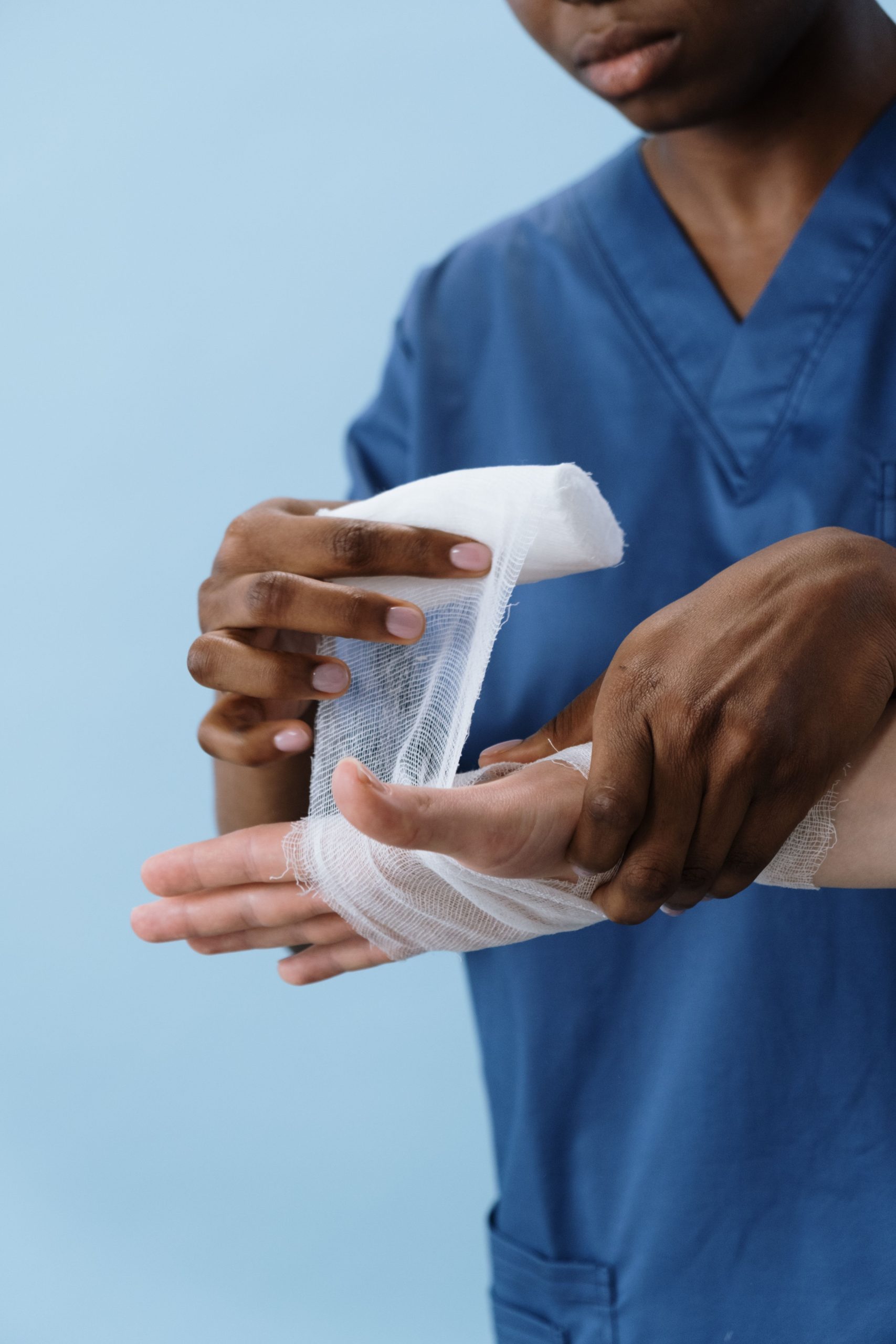
After cooling, loosely cover the burn with cling film (plastic wrap) — lay it over the burn rather than wrapping it tight — or a clean, non-fluffy cloth. This keeps air off the burn (which reduces pain) and keeps it clean. If the burn is on fingers, you can loosely wrap each finger separately.
Step 4: Manage the pain
Over-the-counter paracetamol or ibuprofen, taken as directed on the pack, helps with pain and inflammation. Keep the hand elevated when possible to reduce throbbing.
Step 5: Leave blisters alone
If blisters form, do NOT pop them. A blister is nature’s perfect sterile dressing — popping it opens the door to infection. If a blister bursts on its own, clean gently, apply antiseptic, and cover with a non-stick dressing.
Step 6: Watch it heal
Minor burns usually improve noticeably within 2–3 days and heal within 1–2 weeks. Change the covering daily. Moisturize the healed skin gently once new skin forms — it may stay sensitive and pink for a while.
What NOT to do
- Do not apply toothpaste, butter, oil, or egg whites — these trap heat in the burn and invite infection. This myth needs to die.
- Do not use ice or ice water — it damages the already-injured skin further.
- Do not pop blisters.
- Do not use fluffy cotton wool directly on the burn — fibers stick to the wound.
- Do not wrap the burn tightly — circulation matters.
See a doctor / seek urgent care if:
- The burn is larger than the size of your palm
- It’s on your face, hands (deep), feet, joints, or genitals
- The skin looks white, charred, or waxy, or you feel no pain in the burnt area (possible deep burn)
- Blisters are very large or numerous
- Signs of infection develop: increasing pain after 48 hours, spreading redness, swelling, pus, or fever
- The burn was caused by chemicals or electricity — these need medical assessment even if they look minor
FAQs
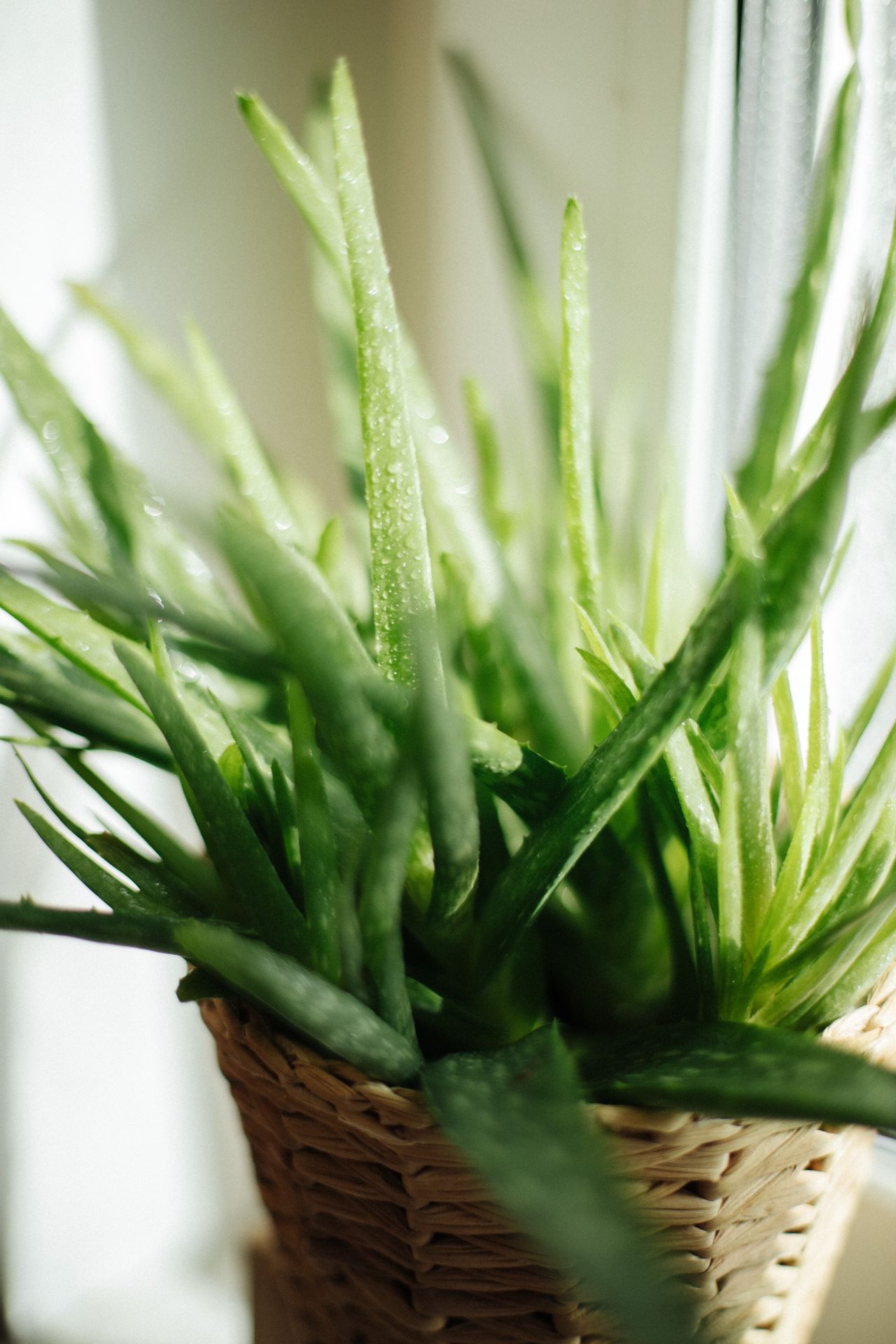
Is aloe vera gel okay on burns? Plain aloe vera gel is fine on minor burns after the 20-minute cooling — it’s soothing and unlikely to harm. Just make sure cooling comes first, and skip products with added fragrances or alcohol.
Why 20 minutes of cooling? It feels like forever. Because heat continues damaging deeper skin layers even after you pull away from the stove. Studies show 20 minutes of cool running water gives the best outcomes — shorter cooling measurably worsens healing.
When can I get the burn wet again normally? Once the skin has closed over (no open areas), normal washing is fine. While it’s still raw or blistered, keep it covered and change dressings if they get wet.
This guide is for information only and is not medical advice. If you are unsure, contact a doctor or your local health helpline.