
Quick answer: A bitten tongue or cheek looks dramatic but usually stops bleeding within minutes. Rinse with cool clean water, press clean gauze on the spot for 10–15 minutes, then ice it. If the bleeding stops, saltwater rinses twice a day will have it healing within a week.
Almost everyone has done it — one careless bite while talking and eating, and suddenly your mouth is full of blood. The mouth bleeds a lot even from small wounds because of the dense blood supply, so it looks scarier than it is. Most tongue and cheek bites are shallow and heal on their own within 5–10 days. Here’s exactly what to do.
Step 1: Stop eating and assess
Stop chewing immediately. Swallow the blood in your mouth or spit it out — swallowing a small amount won’t harm you, but it can make you feel nauseous. Run your finger gently along the bitten area (with clean hands) to feel how deep it is. A shallow sore spot is the usual case; a deep cut or a loose flap of tissue is less common and needs different handling (see below).
Step 2: Rinse with cool, clean water
Rinse your mouth with cool drinking water for 20–30 seconds. This clears away food debris and blood so you can see the wound clearly. Lukewarm is fine if cool water stings too much — just avoid hot water, which increases bleeding.
Step 3: Apply firm pressure for 10–15 minutes
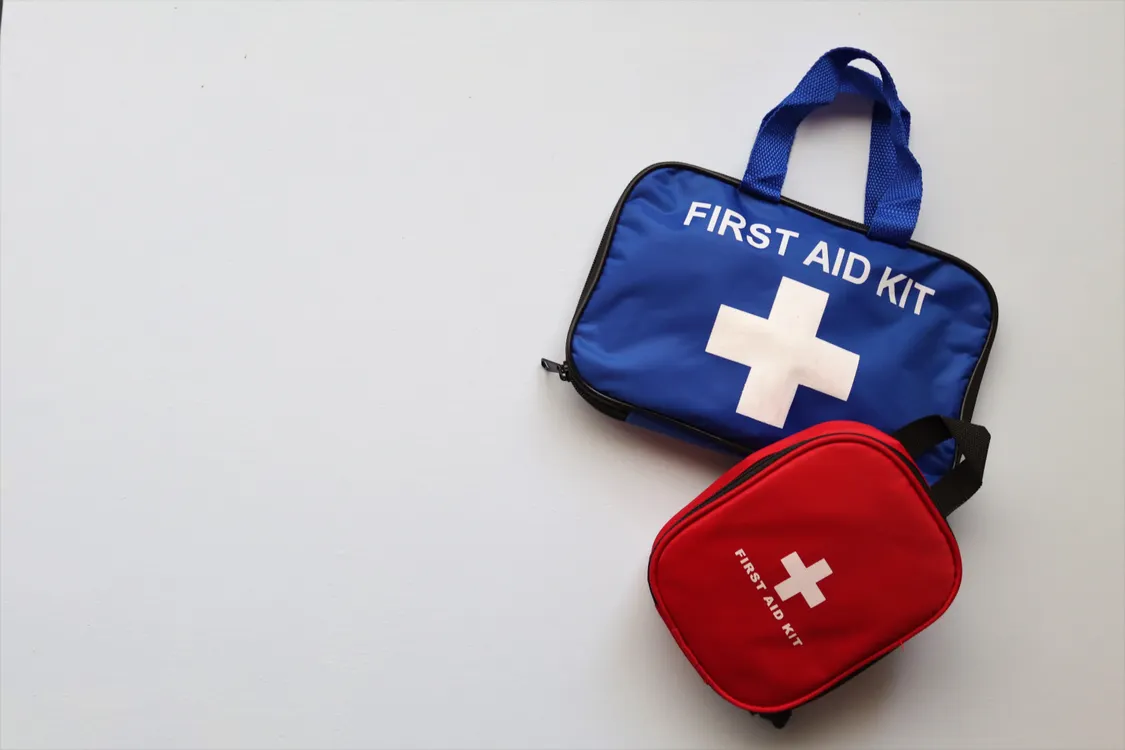
Fold a piece of clean gauze (or a clean cloth/napkin) into a pad, place it over the bitten spot, and bite down gently to hold it in place. Keep steady pressure for 10–15 minutes without peeking — lifting the pad early breaks the forming clot and restarts bleeding. Most mouth bites stop bleeding well within this time.
Step 4: Ice the spot
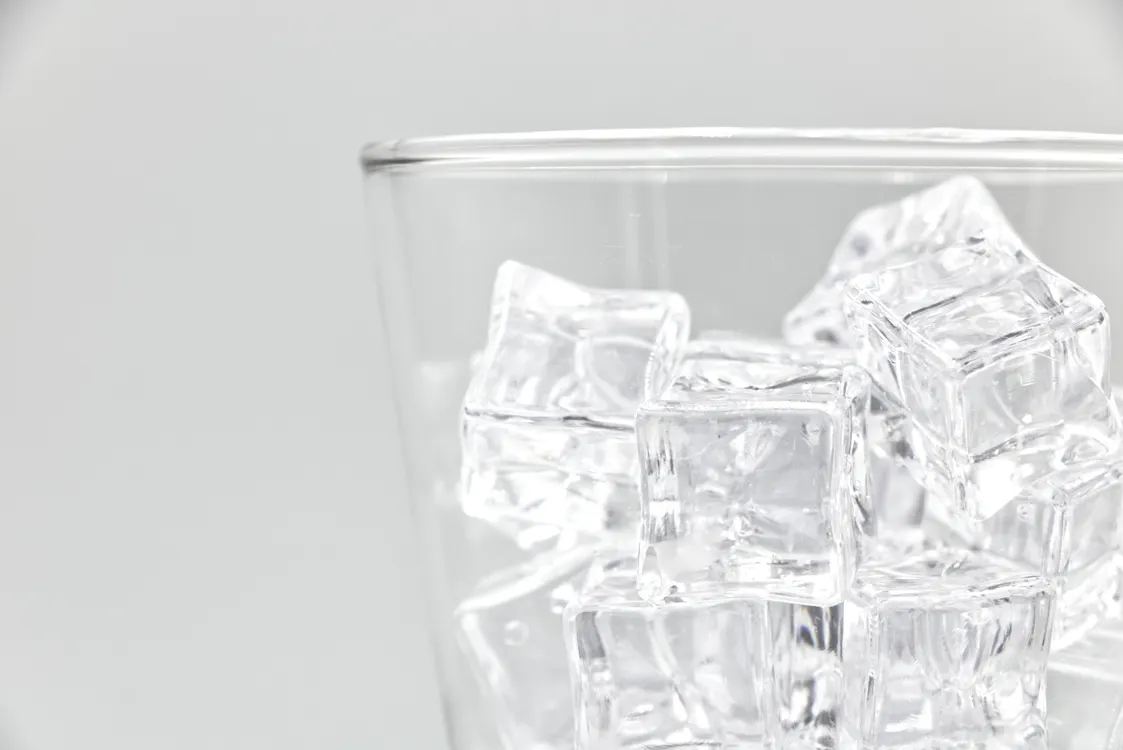
Suck on an ice cube or hold a cold compress against the outside of your cheek for 10 minutes. Cold reduces swelling and numbs the pain. Never apply ice directly to the wound for more than a few minutes at a time.
Step 5: Start saltwater rinses (from the next morning)
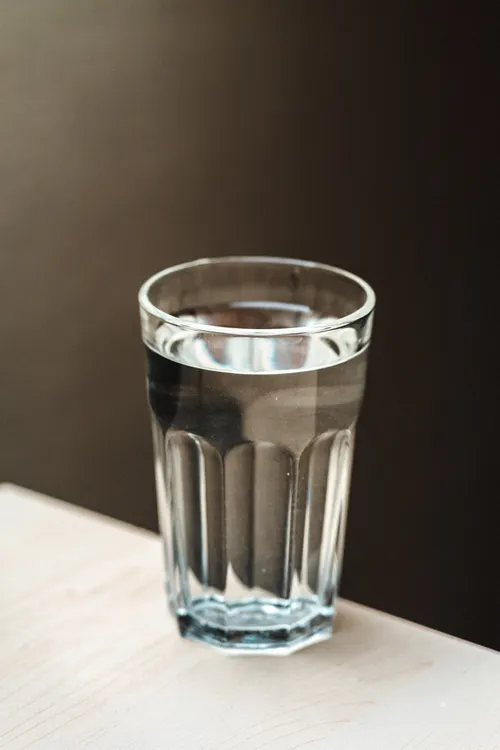
Dissolve half a teaspoon of table salt in a glass of warm water and rinse gently for 30 seconds, twice a day. Saltwater keeps the wound clean and speeds healing. Do this for 3–5 days, or until the sore no longer hurts when you eat.
Step 6: Eat soft and stay off the sore side
For the next 2–3 days, chew on the opposite side. Eat soft foods — dal-rice, curd, khichdi, mashed potatoes, bananas. Avoid spicy, acidic (citrus, vinegar), very hot, and crunchy foods that irritate the wound. Skip alcohol-based mouthwash for a few days; it stings and slows healing.
What NOT to do
- Don’t place aspirin directly on the wound. A common home remedy, but it burns the delicate mouth tissue and can cause a chemical burn (aspirin burn) that hurts worse than the bite.
- Don’t poke it with a toothpick, your nail, or your tongue. Constant touching reopens the wound.
- Don’t rinse with hydrogen peroxide or alcohol. They irritate the tissue and delay healing — saltwater is safer and better.
- Don’t ignore a deep cut. A bite that leaves a loose flap of tongue tissue, a notch along the tongue edge, or bleeding that won’t stop needs a dentist, not home care.
See a doctor or dentist urgently if:
- Bleeding hasn’t stopped after 15–20 minutes of firm pressure
- The cut is deep, or there’s a loose flap of tissue on the tongue
- The tongue has a visible gap/notch along its edge
- Pain, swelling, or redness gets worse after 2–3 days, or you see pus — signs of infection
- You have fever along with a mouth wound
- You can’t eat or drink comfortably after 3–4 days
- You keep biting the same spot repeatedly — you may need a dental check (misaligned teeth, sharp tooth edges, or wisdom teeth are common culprits)
FAQs
How long does a bitten tongue or cheek take to heal?
Shallow bites usually feel fine in 2–3 days and fully heal in 5–7 days. The tongue heals faster than almost any other tissue in the body because of its rich blood supply. Deeper cuts can take 10–14 days.
Can I use mouthwash on the wound?
Use an alcohol-free mouthwash only, and not on the first day. Alcohol-based mouthwash stings and irritates the healing tissue. A simple saltwater rinse works just as well for a minor bite.
Why do I keep biting the inside of my cheek in the same spot?
Repeated biting is often caused by a misaligned bite, a sharp tooth edge, a rough filling, or wisdom teeth crowding the cheek inward. If it happens again and again in the same place, see a dentist — a tiny smoothing of the tooth usually fixes it permanently.
This guide is for information only and is not medical advice.