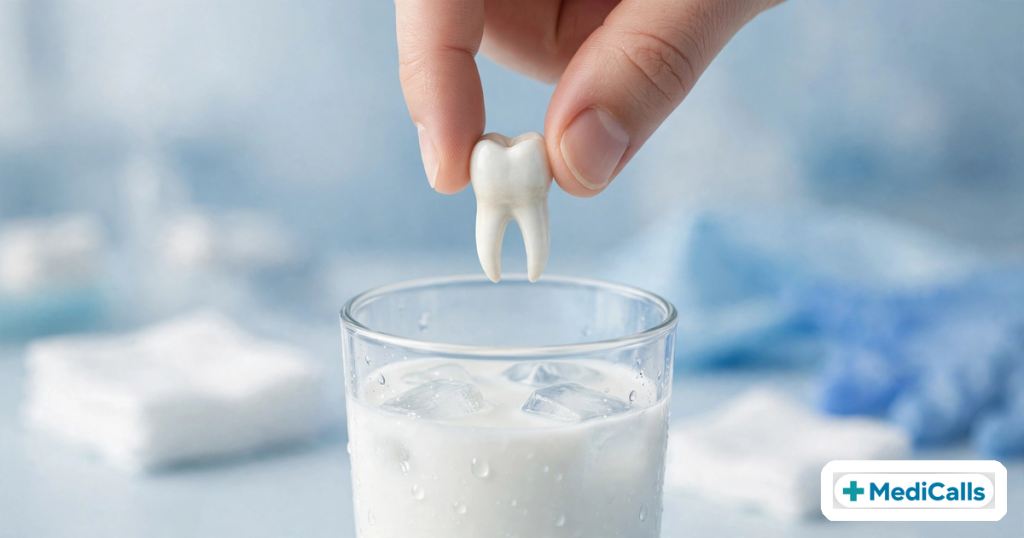
QUICK ANSWER: A knocked-out adult tooth can often be saved — but the clock is running. Hold the tooth by the crown (the white chewing part, never the root), rinse it briefly if dirty, and try to slip it back into the socket. If it won’t go back, keep it in cold milk and get to a dentist within 30–60 minutes. Do NOT let the tooth dry out.
Step 1: Find the Tooth and Pick It Up by the Crown
Stay calm and locate the tooth — check the ground, your mouth, and your clothing. Pick it up by the crown (the white part you chew with). Never touch the root — the delicate cells on the root surface are what keep the tooth alive, and your fingers can damage them. If the tooth is intact and clean, move to Step 3 right away.
Step 2: Rinse Briefly — Don’t Scrub
If the tooth has dirt on it, rinse it very briefly (a few seconds) under clean water or in a cup of milk. Do not scrub it, rub it with cloth, or use soap or disinfectant. The goal is just to remove visible dirt, not to sterilise it — the root cells must stay alive.
Step 3: Try to Put It Back (Adult Tooth Only)
If it’s an adult (permanent) tooth, try to reinsert it right away — this gives the best chance of saving it. Hold it by the crown, push it gently into the empty socket, and bite down softly on a clean folded cloth or gauze to hold it in place. It may feel strange, but don’t force it hard — if it slides in, great; if it won’t sit properly, move to Step 4. Never try to reinsert a baby (milk) tooth — it can damage the adult tooth growing underneath.
Step 4: Keep It Wet — Milk Is Best
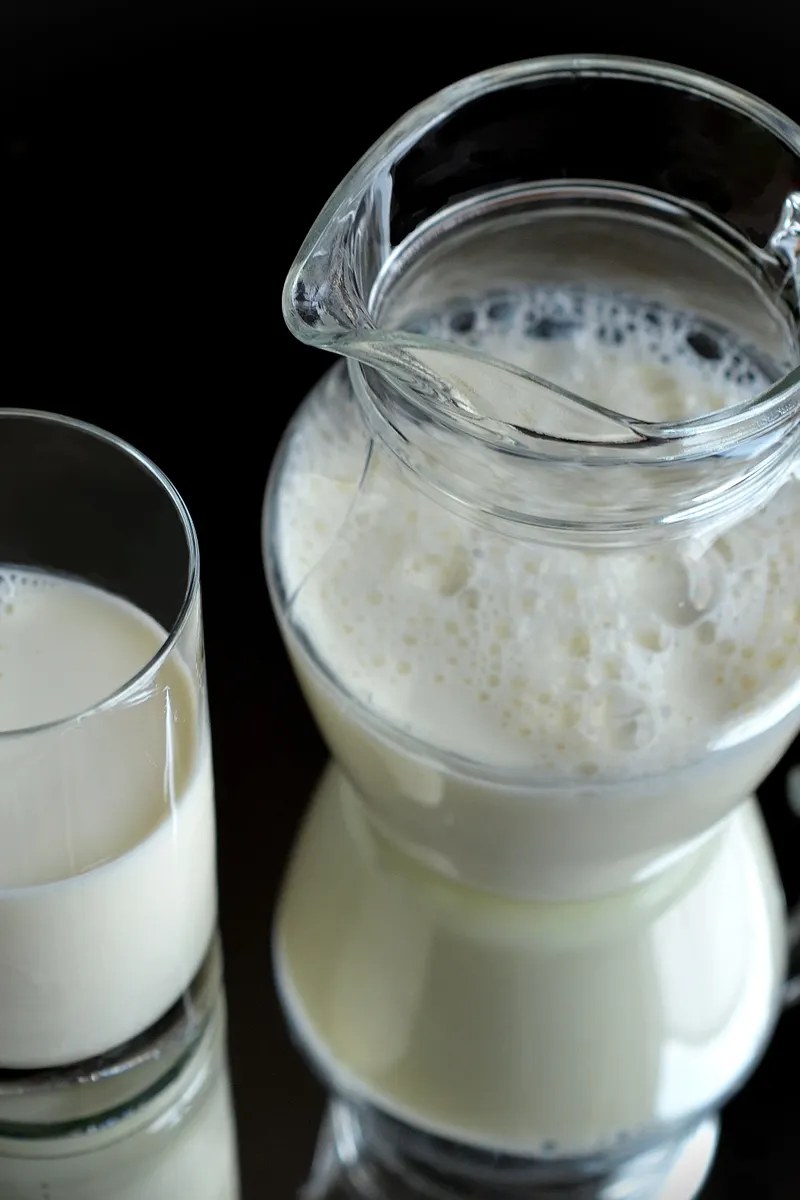
If the tooth won’t go back in, don’t wrap it in a tissue or let it dry out. Place it in a small container of cold milk (the calcium and pH keep the root cells alive). No milk nearby? Hold the tooth inside your cheek, between your teeth and cheek — only for an adult or older child, never for a small child (choking risk). A pharmacy saline solution works too. Plain tap water is a last resort — it damages the root cells over time.
Step 5: Control the Bleeding
The socket will bleed — that’s normal. Bite down on a folded piece of clean gauze or cloth for 10–15 minutes without peeking. If your lip or cheek is swollen, hold a cold compress or a bag of frozen peas wrapped in a towel against your face for 10 minutes at a time. Spit out blood rather than swallowing it, and avoid rinsing your mouth forcefully.
Step 6: Get to a Dentist Immediately
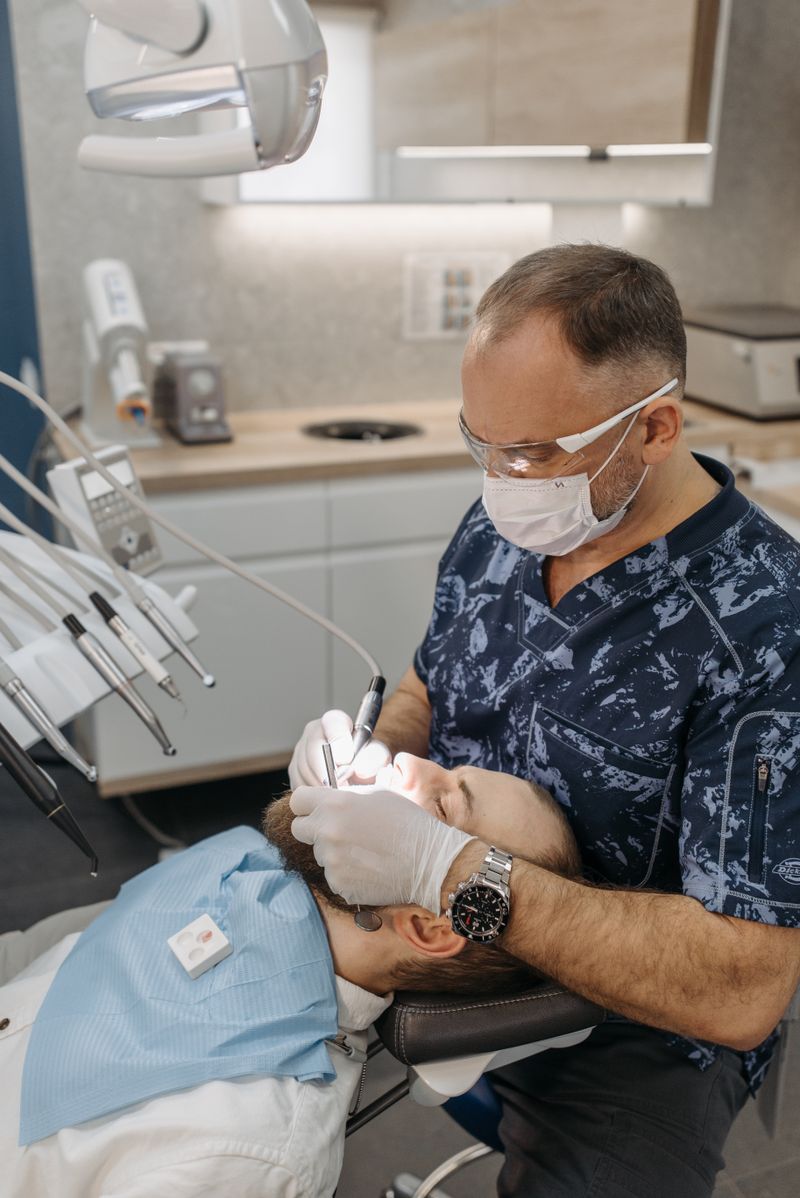
Time is the deciding factor: a tooth reimplanted within 30 minutes has the best survival odds, and the chances fall sharply after 60 minutes. Call a dentist on your way and tell them you’re bringing a knocked-out tooth — they’ll fit you in as an emergency. Bring the tooth in its container of milk (or reinserted in the socket, held by the cloth you’re biting on). Avoid eating on the injured side until you’re seen.
What NOT to do
- Do NOT touch or hold the tooth by the root — handle it by the crown only.
- Do NOT scrub the tooth, dry it, or wrap it in a tissue or napkin — drying kills the root cells within minutes.
- Do NOT store the tooth in plain tap water — milk, cheek, or saline are the right choices.
- Do NOT try to reinsert a baby (milk) tooth — see a dentist instead.
- Do NOT “wait until morning” — after 60 minutes the odds of saving the tooth drop sharply.
- Do NOT take aspirin for the pain (it can increase bleeding) — paracetamol as per pack directions is the safer choice until you see the dentist.
See a dentist / seek urgent care if:
- The tooth cannot be reinserted or keeps falling out
- Bleeding from the socket doesn’t slow down after 15 minutes of firm pressure
- You also hit your head — with dizziness, headache, nausea, confusion, or vision changes (get emergency care)
- Other teeth feel loose, cracked, or have shifted position
- Your jaw, cheekbone, or nose may be fractured (can’t close your mouth properly, severe pain, deformity)
- A child may have swallowed or inhaled the tooth — seek care urgently
- The knocked-out tooth is a baby tooth — a dentist should still check the gum and the teeth around it
FAQs
Can a knocked-out tooth really be saved?
Often, yes — if it’s an adult tooth handled by the crown, kept moist, and reimplanted quickly. Dentists routinely save teeth brought in within 30–60 minutes. Beyond that, the root cells dry out and the tooth may not reattach, though a dentist can still offer options like a splint, implant, or bridge.
How long can the tooth survive out of the mouth?
The best odds are under 30 minutes. Kept in cold milk, the tooth can stay viable for up to about an hour. In plain water or left to dry, the root cells start dying within minutes. This is why speed and correct storage matter more than anything else.
What if it’s my child’s baby tooth?
Do not try to put a baby tooth back — reinserting it can injure the permanent tooth developing underneath. Store it if you like (the dentist may want to see it), control any bleeding with gentle pressure, and see a dentist the same day to check the gum and neighbouring teeth.
This guide is for information only and is not medical advice.