
Quick answer: If your temperature is 100.4°F (38°C) or higher, rest, drink fluids, and take paracetamol (acetaminophen) as directed on the pack if you feel uncomfortable. Sponge with lukewarm — not cold — water. Read the red-flag signs below to know when to seek urgent care.
Step 1: Confirm it is actually a fever
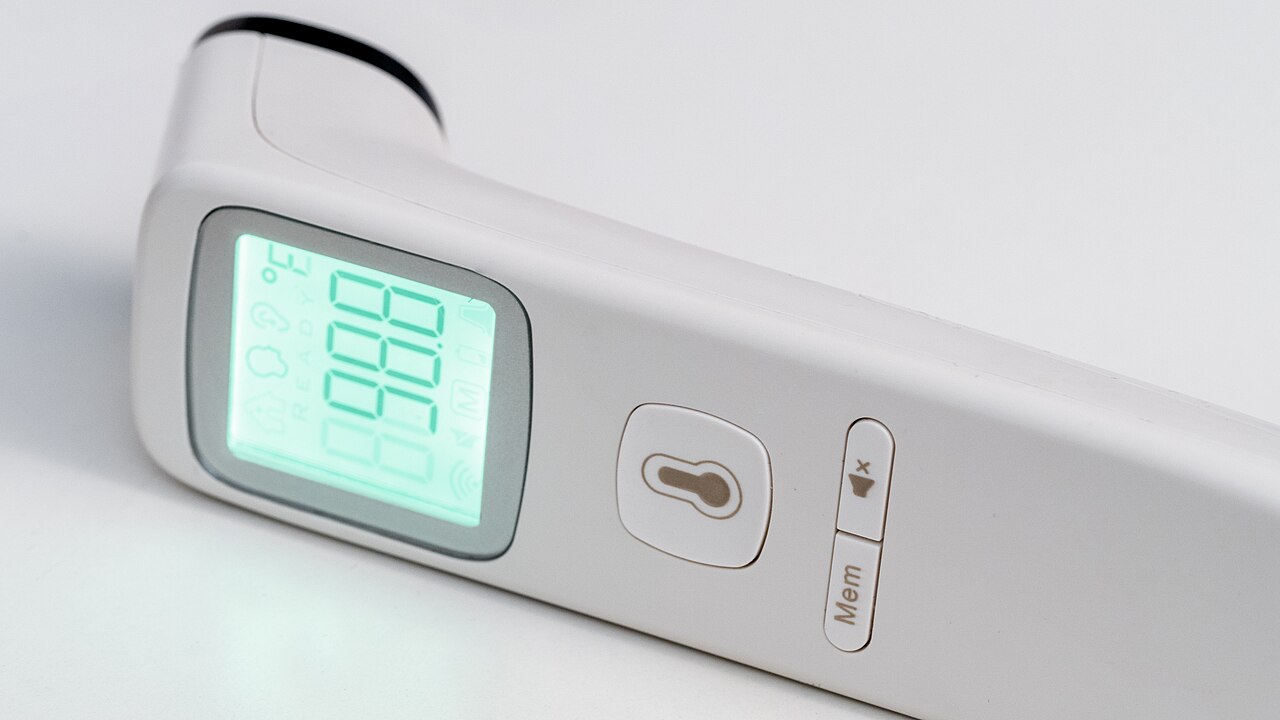
A reading of 100.4°F (38°C) or above counts as fever. Measure under the tongue for the most reliable home reading; armpit readings run about 1°F lower, so add a degree mentally.
Step 2: Bring it down safely
- Take paracetamol (acetaminophen) according to the pack directions if you feel miserable — for most adults that is 500–1000 mg every 6–8 hours, never more than 4000 mg in 24 hours. Check other cold/flu medicines first: many already contain paracetamol, and doubling up is dangerous.
- Drink water, ORS, or clear soups in small, frequent sips.
- Sponge your forehead, neck, and armpits with lukewarm water. Never use ice-cold water or alcohol rubs — they can cause shivering that pushes the temperature higher.
- Wear light clothing and keep the room comfortably cool. Do not bundle up to "sweat it out."

Step 3: Rest and keep watch
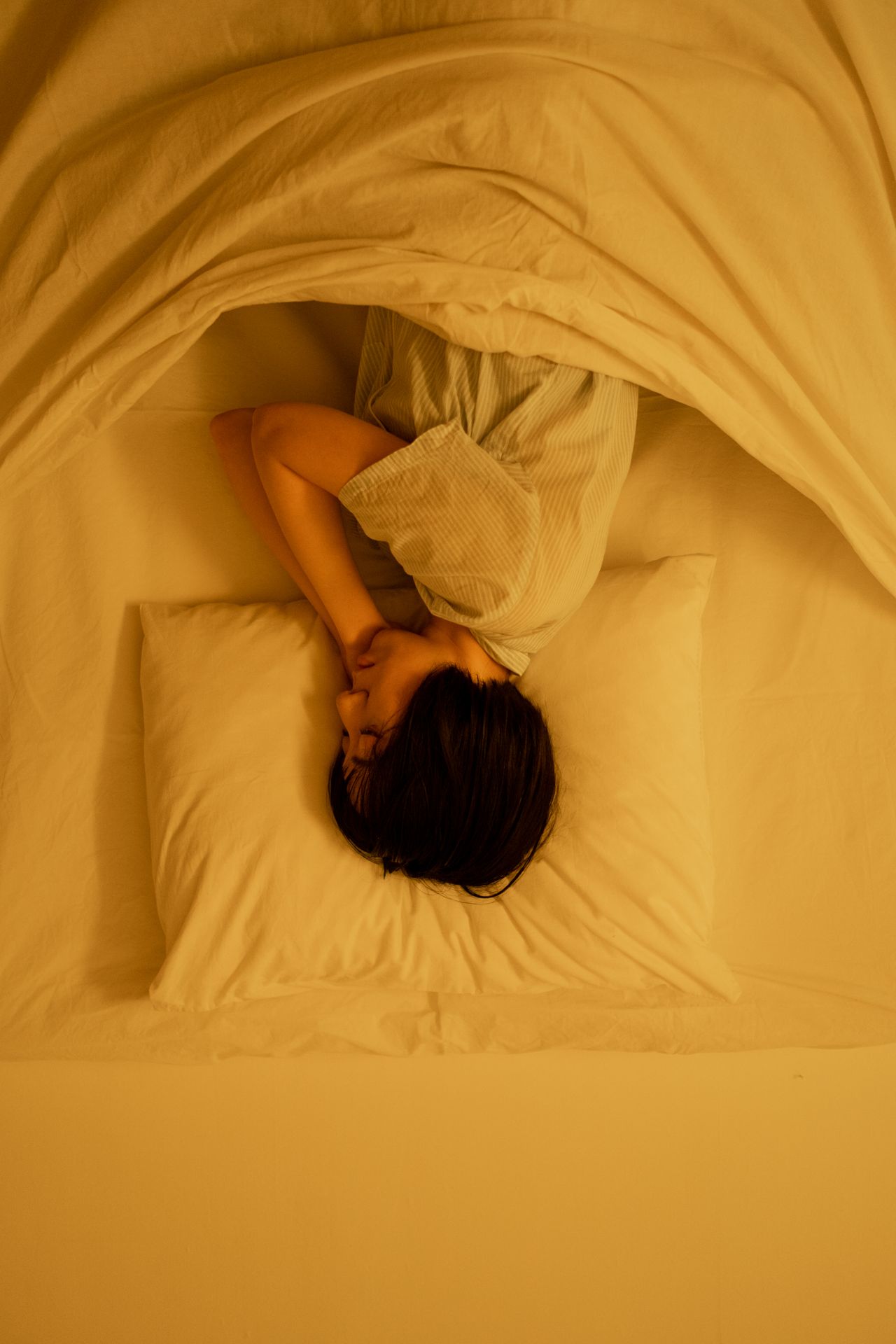
Lie down and rest — preferably propped up slightly if breathing feels heavy. Recheck your temperature every few hours through the night.
What NOT to do
- Do not take antibiotics for fever alone — they do nothing against viral fevers and misuse breeds resistance.
- Do not exceed the paracetamol dose — overdose can seriously damage the liver.
- Do not give aspirin to children or teenagers.
Call a doctor or seek urgent care if you notice any of these:
- Fever above 103°F (39.4°C) that does not come down with paracetamol
- Fever lasting more than 3 days
- Stiff neck, severe headache, skin rash, confusion, or trouble breathing
- Signs of dehydration: very dark urine, dizziness, or no urination for 8+ hours
- In babies under 3 months: any fever of 100.4°F (38°C) or higher — see a doctor immediately
FAQs
Can I take a cold shower to reduce fever?
A lukewarm shower is fine, but cold water triggers shivering, which generates heat and defeats the purpose. Lukewarm is the sweet spot.
Should I eat or fast during fever?
Eat light if you feel like it — soups, khichdi, toast, bananas. There is no medical benefit to starving a fever; dehydration is the real enemy.
When is fever an emergency at night?
When it crosses 103°F and will not budge, or comes with any red-flag symptom above — do not wait for morning.
Medical note: This guide is for information only and is not medical advice. If you are unsure about anything, contact a doctor or your local health helpline.