
QUICK ANSWER: Stay calm and do not poke anything into your ear. Tilt your head with the affected ear facing up, put in a few drops of lukewarm olive oil or mineral oil to stop the insect moving, wait a minute, then tilt your head the other way so the oil — and hopefully the insect — drains out. If it does not come out, or you have pain, bleeding, discharge, dizziness, or hearing loss, see a doctor the same day.
An insect crawling into your ear is frightening, but it is almost never dangerous if you handle it calmly. The ear canal is a dead end sealed by the eardrum, so nothing can crawl into your brain. The real risk comes from panicking and pushing objects into the ear, which can injure the canal or the eardrum. Follow these steps in order.
What to Do Right Now
Step 1: Stay calm and stop touching your ear. Do not scratch inside the ear, and do not try to grab the insect with your finger, a cotton bud, tweezers, or a matchstick. Every object you push in can drive the insect deeper or scratch the delicate skin of the canal. Sit down, breathe slowly, and ask someone to help if possible.
Step 2: Tilt your head and check. Tilt your head so the affected ear faces up. Ask someone to shine a torch gently into the ear opening and look. Sometimes the insect crawls or flies out on its own when light enters. Do not shine a bright light directly into the ear for a long time.
Step 3: Use a few drops of lukewarm oil. If the insect is still inside and moving, put 2–3 drops of lukewarm (not hot) olive oil or mineral oil into the ear using a clean dropper or a teaspoon. The oil usually stops the insect moving and floats it out. Keep your head tilted for 1–2 minutes. Skip the oil if you have ever had a burst eardrum, ear surgery, ear tubes (grommets), or if fluid, pus, or blood is coming from the ear — in that case, go straight to a doctor.

Step 4: Tilt your head the other way and let it drain. Turn your head so the affected ear faces down over a tissue or a bowl. Let the oil drain out on its own. The insect often comes out with it. You can repeat the oil step once if needed.
Step 5: Rinse gently only if the insect is out. Once the insect is out, you can gently rinse the outer ear with lukewarm water and pat it dry with a clean cloth. Do not force water into the ear canal with a syringe or a jet of water at home.
Step 6: Watch how the ear feels over the next few hours. Mild itching or a feeling of fullness for a short while is common. Take a standard over-the-counter pain reliever if the ear is sore, following the pack directions. If the discomfort fades, the ear is almost certainly fine.
If It Happens to a Child
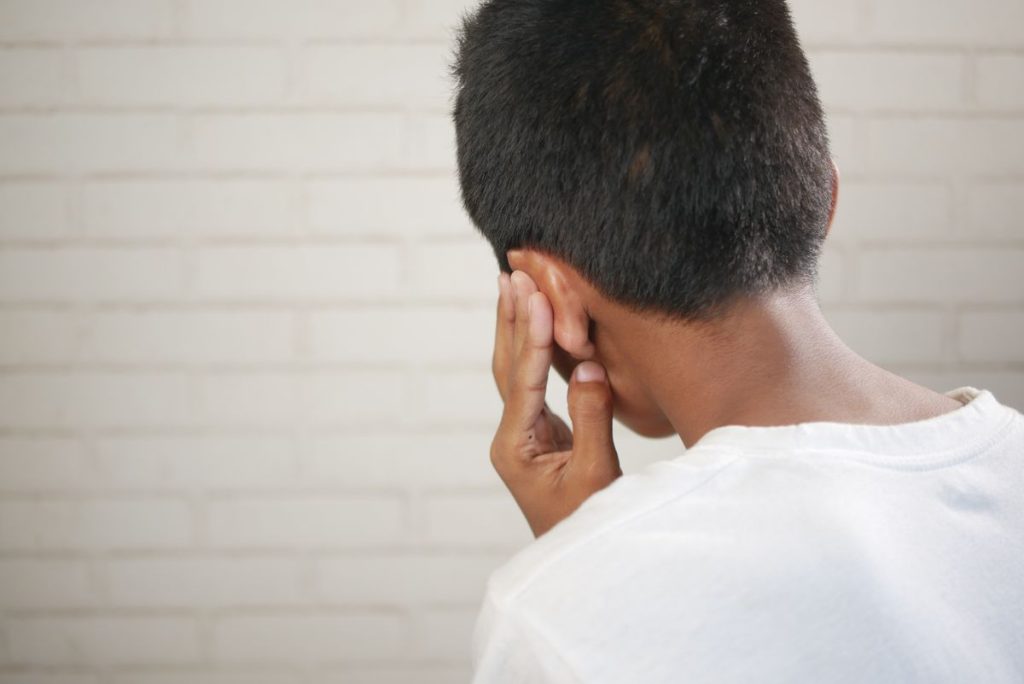
Children panic more and may not sit still, which makes poking injuries more likely. Hold the child calmly on your lap, keep their hands away from the ear, and do the oil step exactly as above. If the child is very distressed, bleeding, or you cannot tell whether the insect is out, take them to a doctor rather than trying again at home.
What NOT to Do
- Do not insert cotton buds, tweezers, fingers, matchsticks, or any tool into the ear canal.
- Do not use ear candles — they do not remove insects and can burn the ear or face.
- Do not pour alcohol, hydrogen peroxide, hot oil, or insect spray into the ear.
- Do not slap the side of your head hard or shake your head violently.
- Do not ignore it and go to sleep hoping the insect will leave on its own if it is still moving or causing pain.
See a Doctor / Seek Urgent Care If:
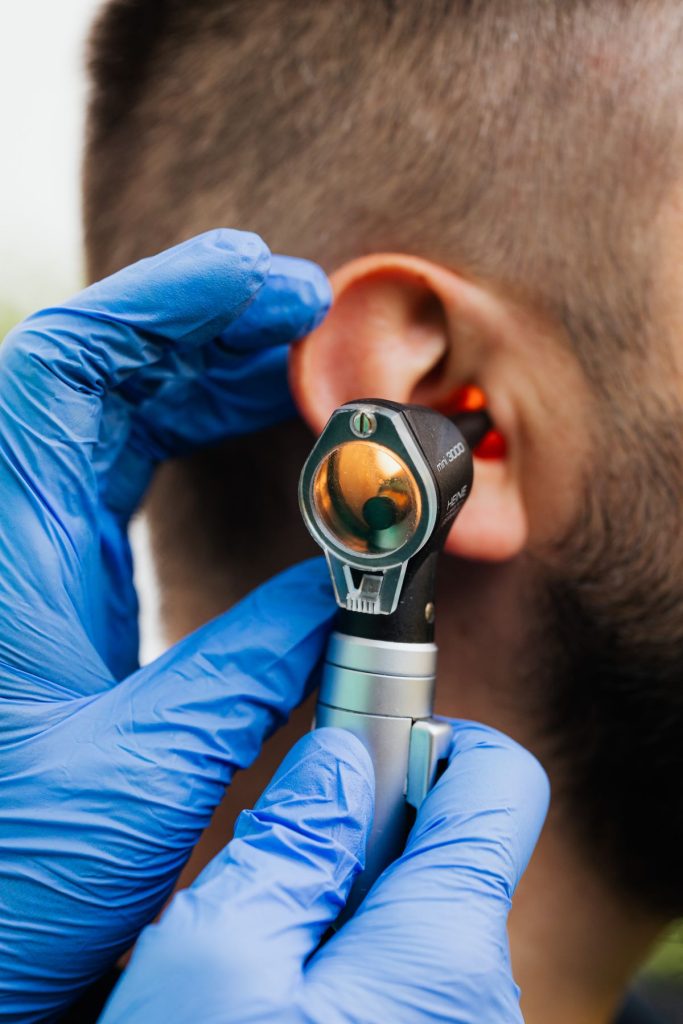
- The insect does not come out within about an hour, or you are not sure it came out.
- You have worsening pain, swelling, bleeding, or discharge from the ear.
- You notice hearing loss, ringing, dizziness, or a feeling of spinning.
- There is a history of a burst eardrum, ear surgery, or ear tubes.
- The insect was a tick, or you develop fever or spreading redness around the ear.
- It happened to a young child who cannot describe what they feel.
Frequently Asked Questions
Can an insect crawl from my ear into my brain?
No. The ear canal ends at the eardrum, a solid membrane that blocks the way in. An insect cannot get past it into the brain.
Can I sleep with an insect still in my ear?
No. If the insect is still inside, see a doctor the same day. Sleeping with it there can mean hours of irritation, and you will not know if the ear gets injured or infected.
Can I use ear drops instead of oil?
Plain lubricating ear drops can work the same way as oil, but avoid medicated or antibiotic drops unless a doctor advises them. Do not use any drops if you suspect a burst eardrum or have ear tubes.
This guide is for information only and is not medical advice.