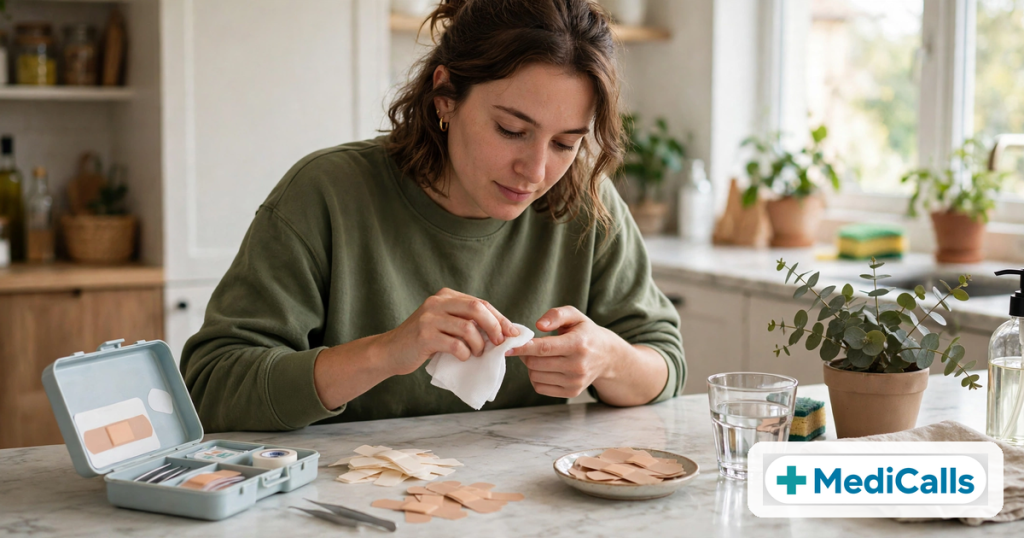
QUICK ANSWER: Press a clean cloth firmly on the cut, hold it for 10 minutes without peeking, then rinse gently, apply a sticking plaster, and keep the finger clean and dry. Most small kitchen cuts stop bleeding within 10–15 minutes.
A knife slips while you are chopping onions, or a grater catches your fingertip. It happens in seconds, and the first sight of blood can feel alarming. The good news: most small kitchen cuts look worse than they are, and a few calm steps are usually all it takes to get the bleeding under control.
Stay calm, act quickly, and keep everything clean. Here is exactly what to do.
Step 1: Stop what you are doing and press on the cut
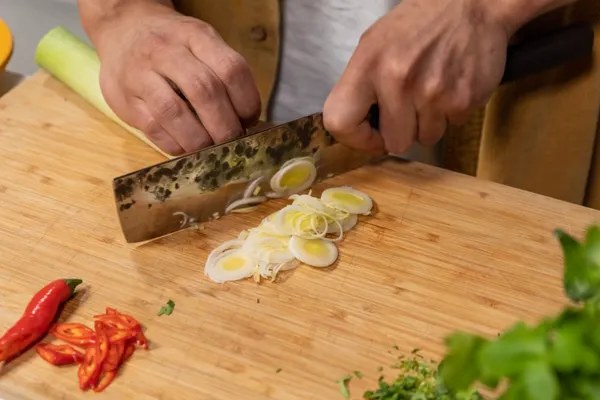
Put the knife down safely and move away from the food. Grab a clean cloth, a piece of gauze, or a clean paper towel and press it firmly against the cut. Hold steady, continuous pressure — do not lift the cloth every few seconds to check. Checking too early breaks the clot that is forming and restarts the bleeding. If blood soaks through the first cloth, do not remove it. Simply place another clean cloth on top and keep pressing.
Step 2: Rinse the cut gently once the bleeding slows
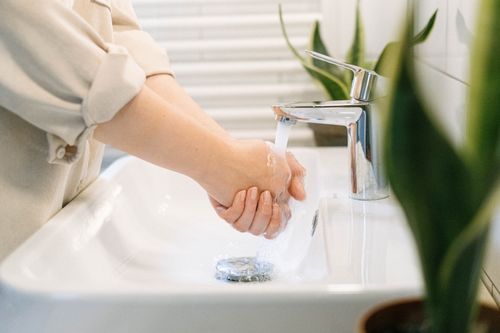
After about 10 minutes of steady pressure, lift the cloth. If the bleeding has slowed to a trickle or stopped, rinse the cut under clean, lukewarm running water for a few seconds to wash away food particles or dirt. Use mild soap around the cut if you like, but try not to scrub inside the wound itself. Pat the area dry with a clean cloth.
Step 3: Cover it with a clean plaster or bandage
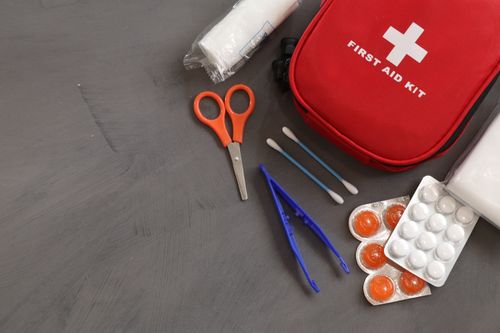
Once the cut is clean and dry, cover it with an adhesive sticking plaster (band-aid). For a fingertip cut, a fingertip plaster or a small strip of gauze held with medical tape works best, because ordinary plasters tend to slip off fingers. The dressing should be snug enough to stay on, but not so tight that the fingertip turns pale, blue, or numb. If the cut is on a joint, bend the finger slightly while applying the plaster so the dressing does not pull open when you move.
Step 4: Raise the hand and keep pressure if it still bleeds
If the cut starts bleeding again after you cover it, hold the hand up above the level of your heart and press on the cut again for another 10 minutes. Raising the hand reduces blood flow to the finger and helps the clot form. Most small cuts stop after this second round of pressure.
Step 5: Look after the cut for the next few days
Change the plaster once a day, or sooner if it gets wet or dirty. Each time you change it, check the cut: a little redness right around the edges on the first day is normal, but the redness should fade, not spread. Keep the finger dry while washing dishes — a rubber glove or a waterproof cover over the plaster helps. The cut should steadily feel better each day.
What NOT to do
- Do not pull the cloth away to peek in the first few minutes — it disturbs the clot and restarts bleeding.
- Do not apply turmeric, toothpaste, chilli powder, or any home remedy directly on an open cut — they can trap germs and cause infection.
- Do not pour hydrogen peroxide, spirit, or strong antiseptic into the cut — these damage healing skin. Clean water is enough.
- Do not wrap the finger so tightly that it turns blue, pale, or numb.
- Do not pick at the scab once it forms — the scab is your body’s natural bandage.
- Do not ignore a cut from a rusty or dirty object — check whether your tetanus vaccination is up to date (see below).
See a doctor / seek urgent care if:
- The bleeding does not stop after 15–20 minutes of steady pressure.
- The cut is deep, gaping open, or you can see fat, muscle, or bone inside it.
- The cut is longer than about 1 cm, or sits right across a knuckle or joint.
- The fingertip is pale, blue, numb, or you cannot bend the finger normally.
- The cut was caused by a rusty or very dirty object and your last tetanus shot was more than 5–10 years ago (or you are not sure).
- Signs of infection appear: increasing pain, swelling, spreading redness, warmth around the cut, pus, red streaks going up the finger, or fever.
- The cut was caused by a human or animal bite — these need prompt medical attention even if they look small.
FAQs
Should I use an antiseptic cream on a kitchen cut?
A thin layer of plain petroleum jelly or a basic antiseptic ointment under the plaster can keep the dressing from sticking, but it is optional for a small, clean cut. If you use one, follow the pack directions and stop if the skin reacts.
How long does a small finger cut take to heal?
A shallow cut usually seals within 2–3 days and heals fully in about a week, as long as it stays clean and covered. Deeper cuts take longer and may need stitches, so get them checked promptly.
When should I worry about tetanus after a cut?
Tetanus risk is higher with deep, dirty, or rusty-object cuts. If you have never had a tetanus vaccine, or your last booster was more than 10 years ago (5 years for a dirty wound), contact your doctor the same day to ask whether a booster is needed.
This guide is for information only and is not medical advice.