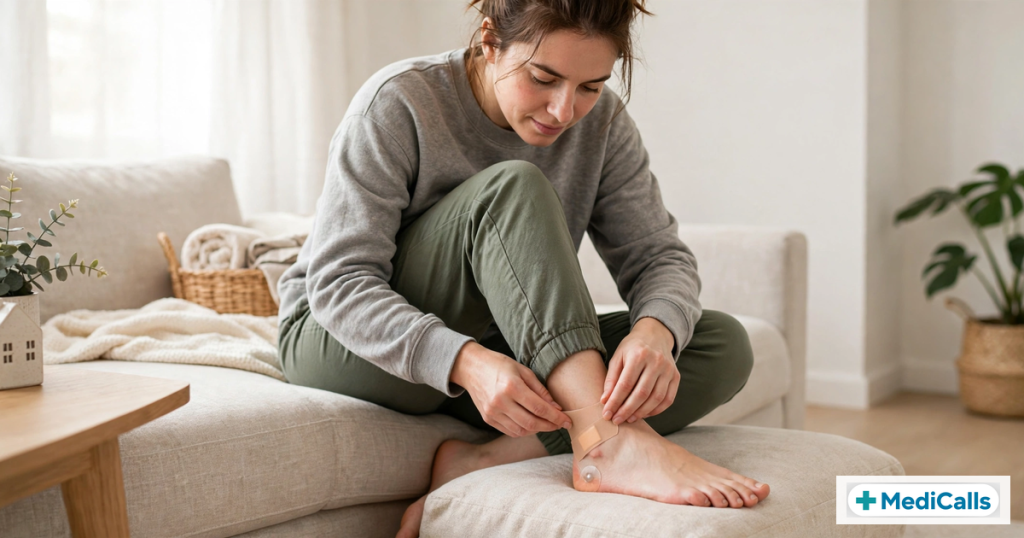
QUICK ANSWER: Do not pop it. Clean the area gently, cover it with a cushioned plaster or dressing, and stop whatever is rubbing against it. An unbroken blister is your skin’s own natural bandage — leave it intact and it usually heals within a few days.
A blister is a small pocket of fluid under the top layer of skin, caused by rubbing — usually a new shoe or a long walk. That bubble protects the raw skin underneath, so protect it, stop the friction, and keep it clean.
What to Do Right Now: Step by Step
Step 1: Stop the rubbing immediately
As soon as you feel a hot spot or blister forming, stop walking if you can. Take off the shoe and sock. Continuing to walk on it turns a small blister into a big, painful one — or tears it open. If you must keep walking, pad the area first (see Step 4).
Step 2: Wash your hands and clean the area gently
Wash your hands with soap and water first. Then clean the blister and the skin around it gently with mild soap and lukewarm water. Pat it dry with a clean towel — do not rub or scrub the blister itself.
Step 3: Leave an unbroken blister alone
If the blister is still closed, do not pop, prick, or peel it. The fluid inside is sterile, and the skin over it keeps germs out. Popping it turns a clean, protected blister into an open wound that can easily get infected.
Step 4: Cover it with a cushioned plaster or dressing
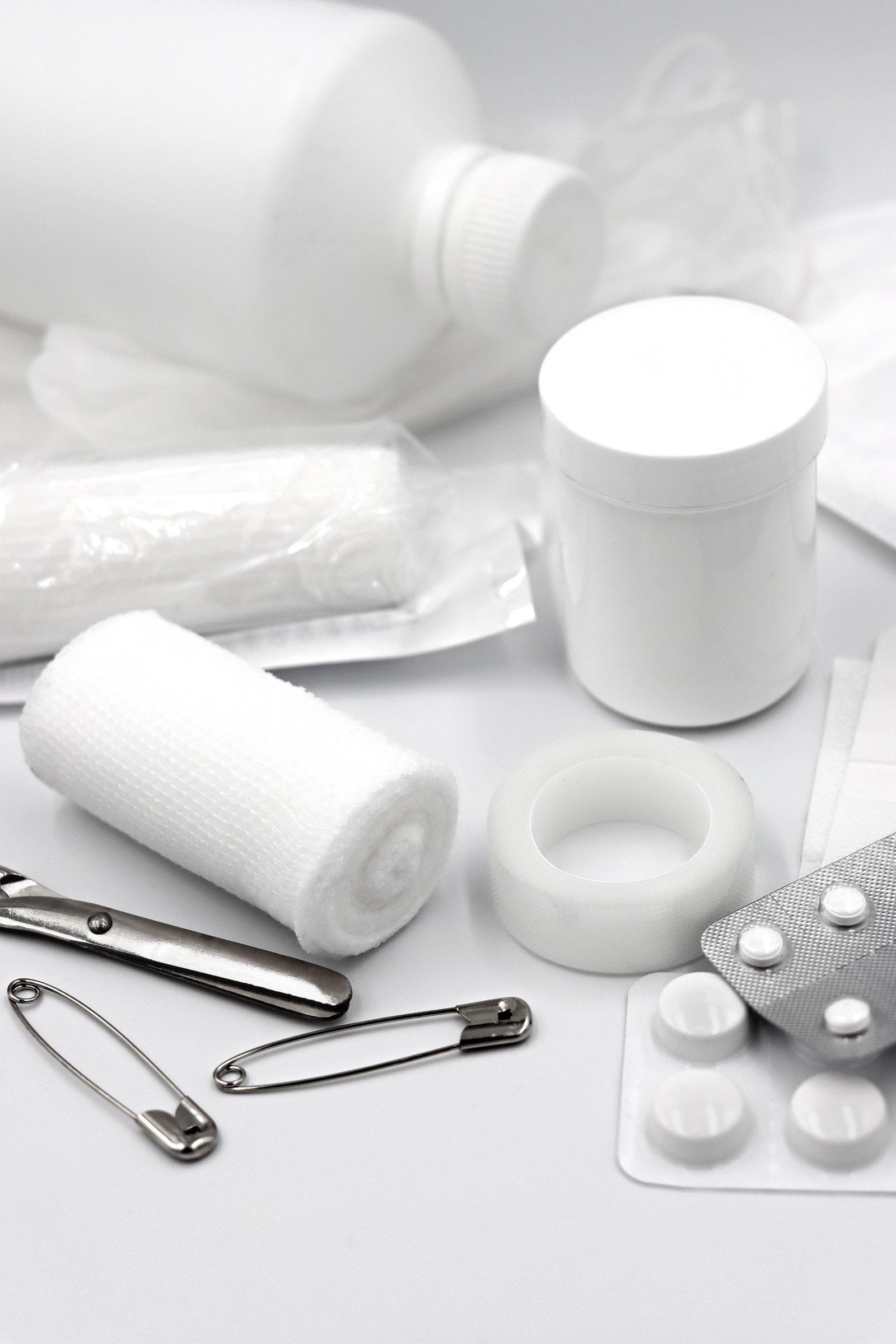
Cover the blister with a blister plaster (hydrocolloid plaster, if you have one) or a soft adhesive bandage with a padded centre. For extra protection, cut a ring of soft foam or felt — a “doughnut” — and place it around the blister so your shoe presses on the padding, not the blister. Change the dressing daily, or sooner if it gets wet or dirty.
Step 5: If the blister has already burst, treat it as an open wound
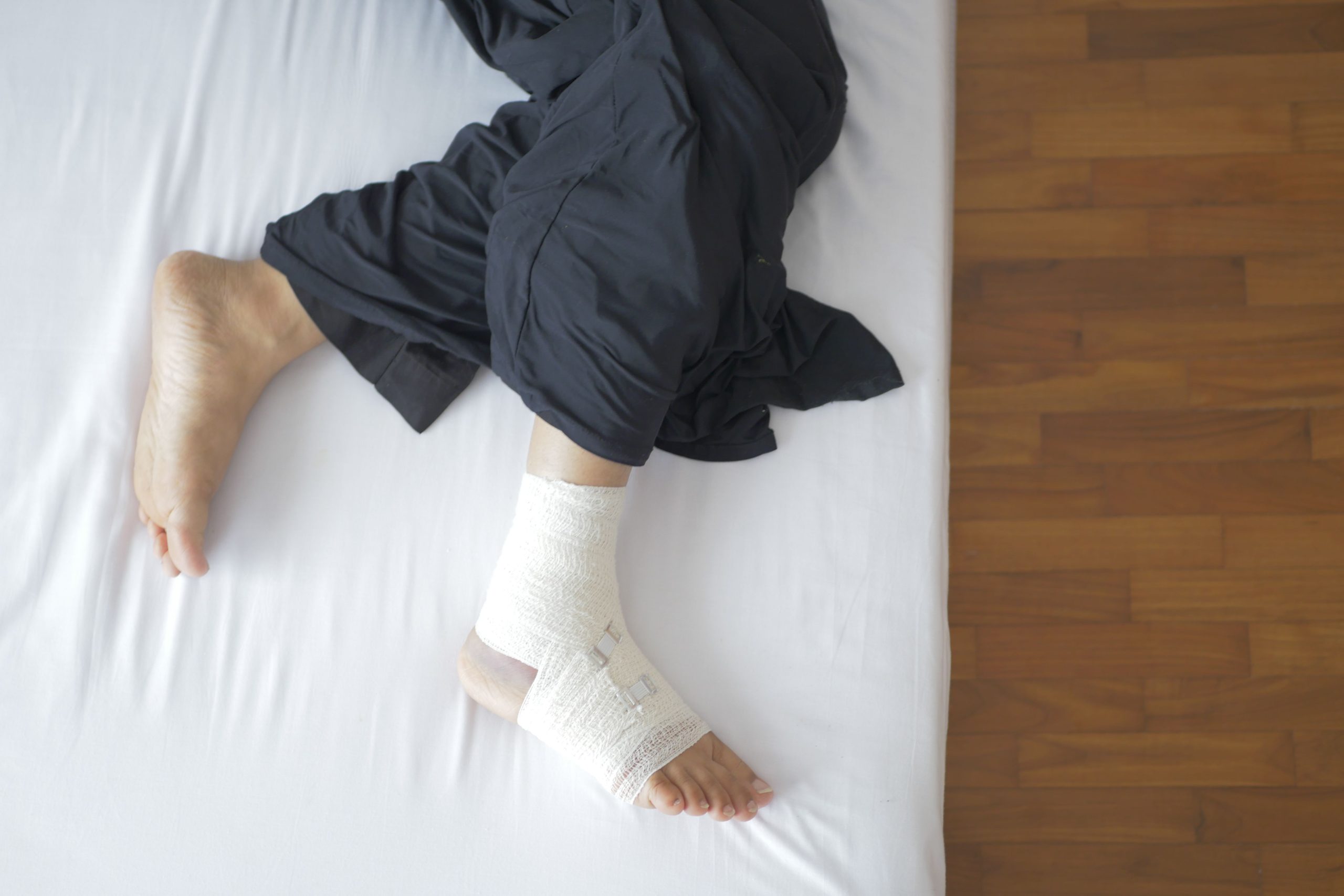
If the blister tore on its own, do not tear off the loose skin — it still protects the raw area. Wash gently with soap and water, let it dry, and apply a thin layer of plain petroleum jelly or antiseptic ointment if you have one. Cover with a clean, non-stick dressing, and change it every day while watching for signs of infection.
Step 6: Let it breathe at night
When you are at home and not walking, take the dressing off and let the blister air out — air helps it dry and heal. Put a fresh dressing on before wearing shoes again.
Step 7: Wear the right footwear until it heals
Until the blister heals, avoid the shoes that caused it. Wear soft, well-fitting shoes and clean, moisture-wicking socks that do not bunch up. Keep the area dry — damp skin blisters more easily.
What NOT to Do
- Do not pop or drain a blister just because it looks big — popping it invites infection.
- Do not peel off the skin over a burst blister; it is still protective.
- Do not apply toothpaste, butter, or home pastes to a blister — they trap germs and irritate raw skin.
- Do not keep walking in the same tight shoes — it will only get worse.
- Do not use a dirty needle or pin on a blister, and do not share dressings or plasters.
- Do not ignore spreading redness, swelling, or pus — these are signs of infection, not normal healing.
See a Doctor / Seek Urgent Care If:
- The blister is very large, extremely painful, or fills with blood.
- You see spreading redness, red streaks, increasing swelling, warmth, or pus.
- You develop a fever along with a blister or wound.
- The blister does not improve after a week, or keeps coming back in the same spot.
- You have diabetes, poor circulation, or a weakened immune system — foot wounds need prompt medical attention in these cases.
- Blisters appear without any rubbing or injury, or you get many blisters at once.
Preventing the Next Blister
Break in new shoes gradually — wear them briefly at home before a long walk. Wear well-fitting socks, and pad spots that tend to rub before you set out. If you feel a “hot spot” during a walk, stop and cover it with a plaster at once — early padding can stop a blister forming.
Frequently Asked Questions
Should I pop a blister on my foot?
No — not if you can avoid it. An unbroken blister is a sterile, natural dressing, and popping it invites infection. Only a very large, painful blister that stops you walking is sometimes drained with a sterilised needle — then covered with a sterile dressing at once.
How long does a foot blister take to heal?
Most small friction blisters heal within 3 to 7 days if protected from further rubbing and kept clean. Larger or burst blisters can take up to two weeks. If it is not improving after a week, get it checked.
Can I still walk or exercise with a blister?
Light walking is fine once the blister is padded and covered, but avoid long walks, running, or the shoes that caused it until it has healed. Rest is the fastest healer.
This guide is for information only and is not medical advice.