
QUICK ANSWER: Stop what you are doing, move slowly into a comfortable position, breathe out slowly, and apply gentle heat. Do not force a stretch or twist through sharp pain — most spasms ease within minutes to hours with rest, heat, and gentle movement.
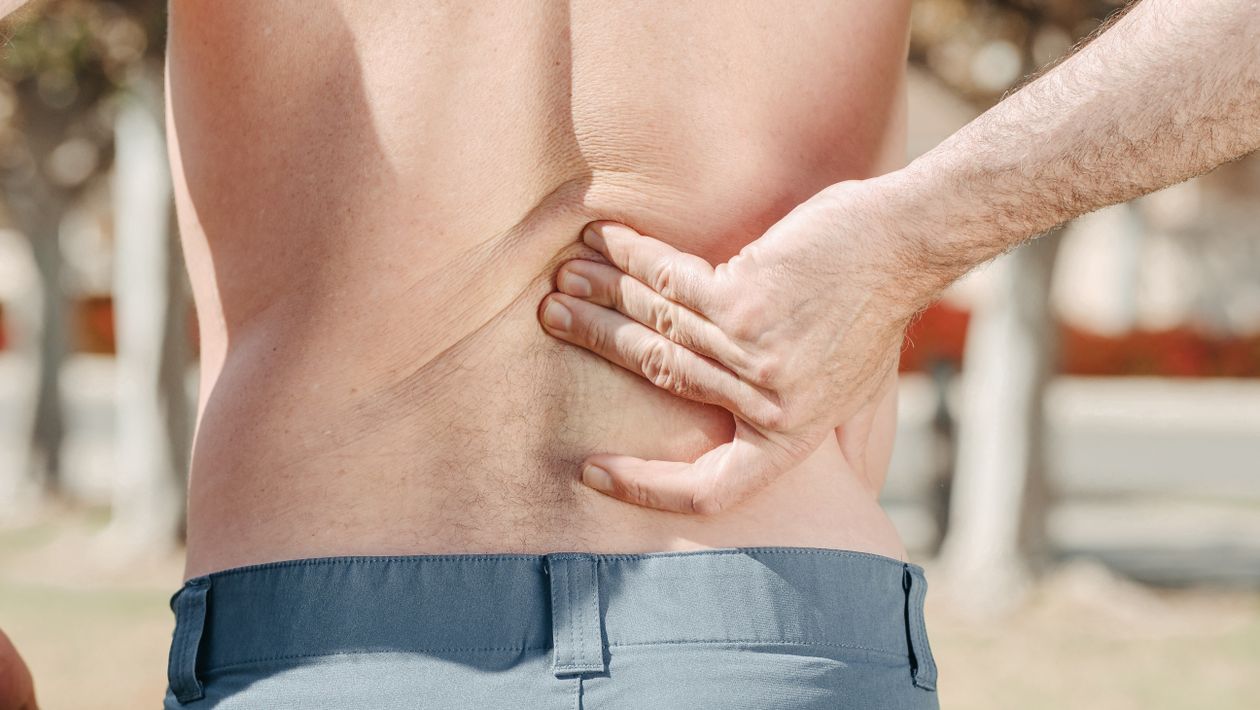
A back spasm feels alarming: you bend, twist, or simply stand up, and suddenly a muscle locks up tight like a cramp that will not let go.
Most sudden back spasms come from a strained or overtired muscle, not serious damage. The muscle has gone into a protective spasm, gripping hard to stop you moving in a way that hurts. Your job right now is to calm it down, not fight it.
Step 1: Stop and freeze — do not push through it
The moment it hits, stop what you were doing. Do not try to “straighten up quickly” or lift the object anyway. Stand still, or lower yourself slowly to the nearest chair, bed, or floor.
If you are holding something heavy, put it down gently rather than twisting to save it.
Step 2: Find a comfortable position and breathe
Lie on your back with your knees bent and feet flat, or a pillow under your knees. If lying flat hurts, lie on your side with a pillow between your knees.
Now breathe slowly — in through your nose for about four counts, out through your mouth for about six — for a minute or two. Slow breathing helps tight muscles relax.
Step 3: Apply gentle heat
Once you can move a little, place a heating pad on low or medium, a warm water bottle wrapped in a towel, or a warm damp towel on the painful area for 15 to 20 minutes. Heat increases blood flow and helps a cramped muscle let go. If the area is swollen, or the spasm followed a fresh fall, use a cold pack wrapped in cloth for 10 to 15 minutes instead. Never place heat or ice directly on bare skin, and never fall asleep with a heating pad on.
Step 4: Move gently — do not stay frozen all day
After 20 to 30 minutes of rest, move very gently. Stand up slowly, using your hands for support, and walk around the room for a few minutes. Short, gentle walks every couple of hours beat lying completely still all day, which worsens stiffness. If walking is too painful, just change position every 30 minutes or so.

Step 5: Try one gentle stretch, only when the worst has passed
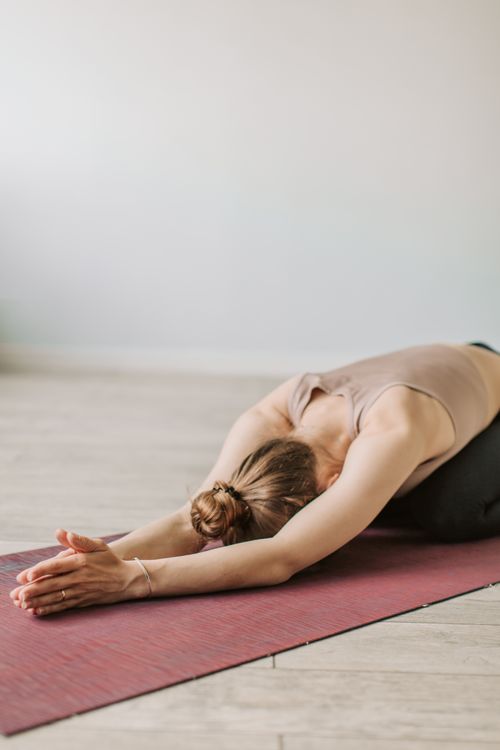
When the sharp gripping has eased to a dull ache, try a gentle knee-to-chest stretch: lie on your back, bend one knee, and pull it slowly toward your chest. Hold 20 to 30 seconds, then switch legs. Or try child’s pose: kneel, sit back on your heels, and stretch your arms forward on the floor. Stop at once if any stretch causes sharp pain — it should feel like a mild pull, never like tearing.
Step 6: Consider a standard over-the-counter pain reliever if you need it
If the ache still bothers you, a standard over-the-counter pain reliever such as paracetamol or ibuprofen may help — follow the pack directions and do not exceed the stated dose. Skip ibuprofen if you have stomach ulcers, kidney problems, or take blood thinners, and check with a pharmacist if you take other medicines.
Step 7: Get back to normal activity gradually
Over the next day or two, return to light activity step by step: short walks and gentle household tasks. Avoid heavy lifting, sudden twisting, and intense exercise until the pain has clearly settled for at least a day. For sleep, keep a pillow under your knees if you lie on your back, or between your knees if you lie on your side.
What NOT to do
- Do not twist, jerk, or force your back straight through sharp pain.
- Do not do intense stretches or heavy lifting while the muscle is still gripping.
- Do not use a heating pad on the highest setting or fall asleep on it.
- Do not stay in bed completely still for days.
- Do not ignore pain that keeps getting worse instead of better.
See a doctor / seek urgent care if:
- The pain follows a fall, accident, or direct blow to the back.
- You feel numbness, weakness, or tingling in your legs or feet.
- You lose bladder or bowel control, or feel numbness around the groin.
- The pain is severe, does not ease at all after 48 hours, or keeps coming back.
- You have a fever along with back pain, or unexplained weight loss.
- You have a history of cancer, long-term steroid use, or a weak immune system.
These signs need same-day medical attention.
FAQs
How long does a back spasm last?
Most ease within a few hours and improve a lot within two to three days. Mild soreness may linger for a week, but the sharp gripping should fade sooner.
Should I use heat or ice for a back spasm?
Heat usually suits a spasm best because it relaxes the tight muscle. Use ice only if the area is swollen or the spasm followed a fresh injury.
Can I go to work with a back spasm?
If you can sit, stand, and walk with only mild discomfort, light work is usually fine — avoid heavy lifting and long spells in one position. If moving is very painful, rest for a day and reassess.
This guide is for information only and is not medical advice.