
Introduction
In today’s fast-paced world, people often neglect their health, leaving them vulnerable to various illnesses. This disease occurs especially in older people, but many people become victims of asthma at a young age. They also face difficulty in breathing. Whenever you experience shortness of breath or swelling in the respiratory tract, consult a doctor.
In this article, we will discuss this condition and explore potential solutions.
What Is Asthma?
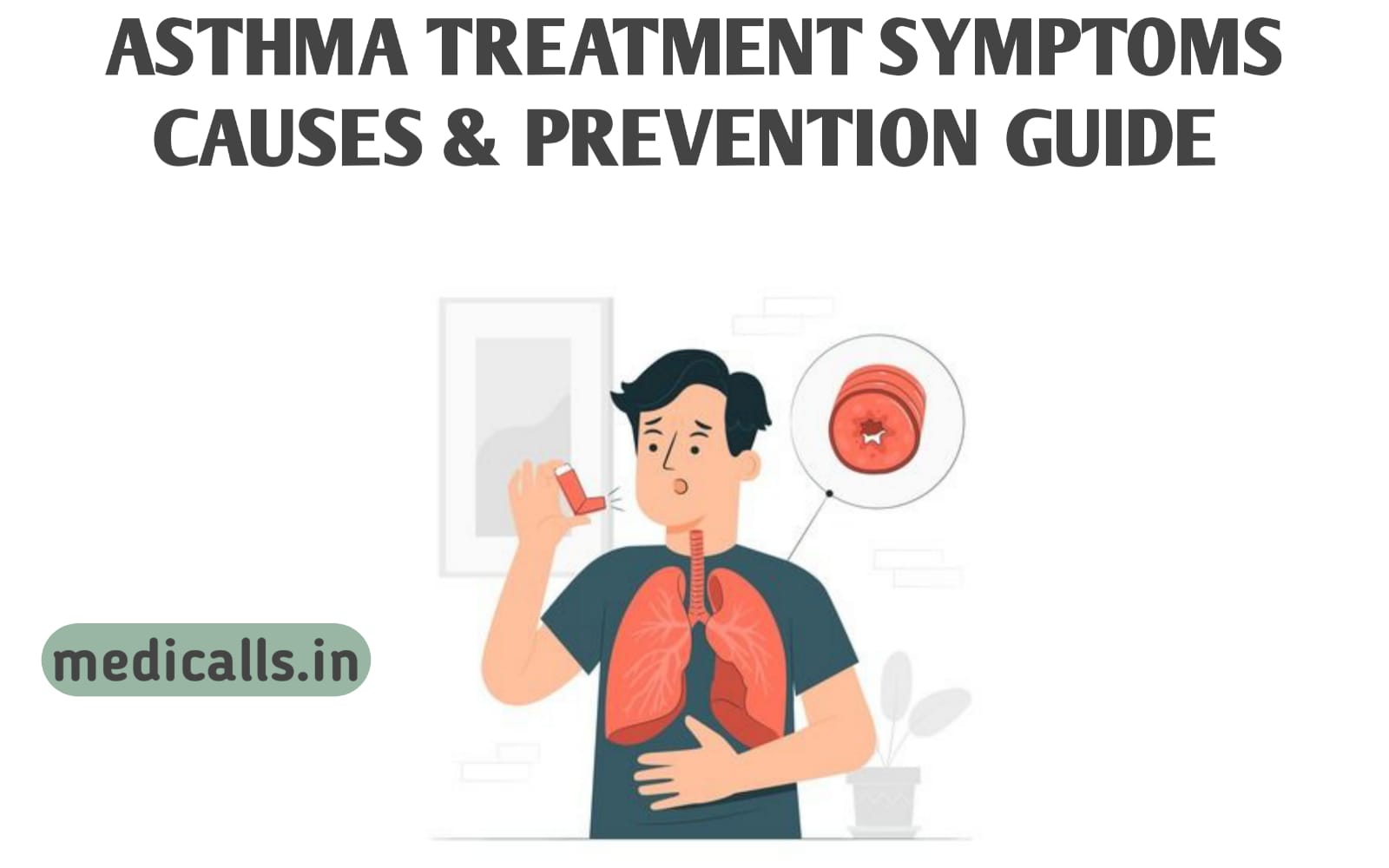
Asthma is a very serious condition; once a person develops it, the illness tends to persist for a long time. Due to this, the airways can become inflamed, making it difficult to breathe. Always keep in mind that if you notice early symptoms, you should consult a nearby doctor to get information and start treatment, thereby preventing the condition from worsening.
Common Symptoms of Asthma
Asthma symptoms can come and go; they may worsen, especially due to cold weather or allergies.
Common symptoms include:
- Shortness of breath
- Wheezing (a whistling sound while breathing)
- Persistent coughing, especially at night or early morning
- Chest tightness or chest pain
- Difficulty breathing during physical activity
- Frequent respiratory infections
- Trouble sleeping because of breathing problems
Always keep one thing in mind: whenever you have difficulty breathing, see a doctor immediately.
Common Asthma Triggers
Many people experience various symptoms that cause breathing difficulties, and the condition needs to be managed properly.
Some common triggers include:
- Dust mites
- Pollen
- Pet dander
- Mold
- Cigarette smoke
- Air pollution
- Strong perfumes and chemical fumes
- Cold air
- Respiratory infections such as the common cold
- Exercise
- Stress and anxiety
- Certain medications, such as aspirin in sensitive individuals
When we have complete information about our illness, we can start treatment soon.
Asthma Treatment
Asthma treatment resolves breathing difficulties and also reduces inflammation in the airways.
1. Quick-Relief Inhalers
Whenever we experience difficulty breathing, using this provides relief and reduces inflammation in the airways.
2. Long-Term Controller Medicines
Anyone who experiences persistent breathing difficulties may require controller medications on a daily basis and must take this medication every day.
3. Allergy Management
Whenever there is difficulty in breathing due to allergies, there is a possibility of recovery by staying away from the allergen and getting proper treatment from a doctor.
4. Regular Medical Checkups
Always make sure to get regular check-ups so that you can stay informed about the processes and activities occurring within your body.
Lifestyle Tips for Asthma Management
If you pay attention to your lifestyle, the condition will start to improve on its own.
Stay Physically Active
We should also pay attention to our body, do regular exercises for 10 to 20 minutes daily and physical activities are considered good for our body.
Eat a Balanced Diet
Eat nutritious food rich in protein, calcium, vitamins, and minerals.
Include:
- Fresh fruits
- Green leafy vegetables
- Whole grains
- Lean proteins
- Nuts and seeds
- Plenty of water
Pay attention to your diet, eat healthy food, and stop overeating.
Avoid Smoking
Smoking is harmful to our body; it significantly increases breathing difficulties and can even lead to diseases like cancer.
Maintain Good Indoor Air Quality
- Keep your home clean.
- Reduce dust accumulation.
- Wash bedding regularly.
- Control indoor humidity.
- Use air filters if recommended.
Get Enough Sleep
We should always get proper sleep so that we don’t feel tired.
How to Prevent Asthma Attacks
Asthma attacks keep occurring, but preventing them has become the most important thing.
Helpful strategies include:
- Take prescribed medicines regularly.
- Carry your rescue inhaler if recommended.
- Avoid known asthma triggers.
- Get recommended vaccinations after consulting your healthcare provider.
- Treat respiratory infections promptly.
- Monitor symptoms regularly.
- Follow your personalized asthma action plan.
When to See a Doctor
Consult a healthcare professional if you experience:
- Frequent coughing or wheezing
- Increasing shortness of breath
- Nighttime asthma symptoms
- Frequent use of a rescue inhaler
- Symptoms that interfere with daily activities
- Severe breathing difficulty or bluish lips or fingertips, which requires emergency medical care
Once this disease is detected, start treatment immediately.
(FAQs)
Can asthma be cured?
Asthma cannot be completely cured, but it can be effectively managed through lifestyle changes or medical advice.
Is exercise safe for people with asthma?
People mildly affected by ‘machine asthma’ can positively influence their health through proper exercise and a balanced diet.
What is the most common asthma trigger?
Factors that cause breathing difficulties—such as smoke, cold air, and pet dander—are considered harmful to our respiratory health.
Can children outgrow asthma?
There are many children who develop breathing difficulties at an early age; therefore, continue the treatment prescribed by the doctor.
Conclusion
Complications arising from asthma can be life-threatening when immediate medical treatment is unavailable. Ensure you undergo regular check-ups with your doctor to stay informed about the condition. Now that you have gained information about asthma, make the most of it and incorporate these insights into your lifestyle.