
Introduction
In today’s fast-paced world, people often neglect their health, leading to various ailments—one of which is diabetes (often referred to as high blood sugar). Consuming excessive sweets significantly impacts this condition; therefore, when dealing with diabetes, it is advisable to minimize sugar intake or opt for natural sources to avoid complications.
Today, we will learn about diabetes and understand how to prevent it.
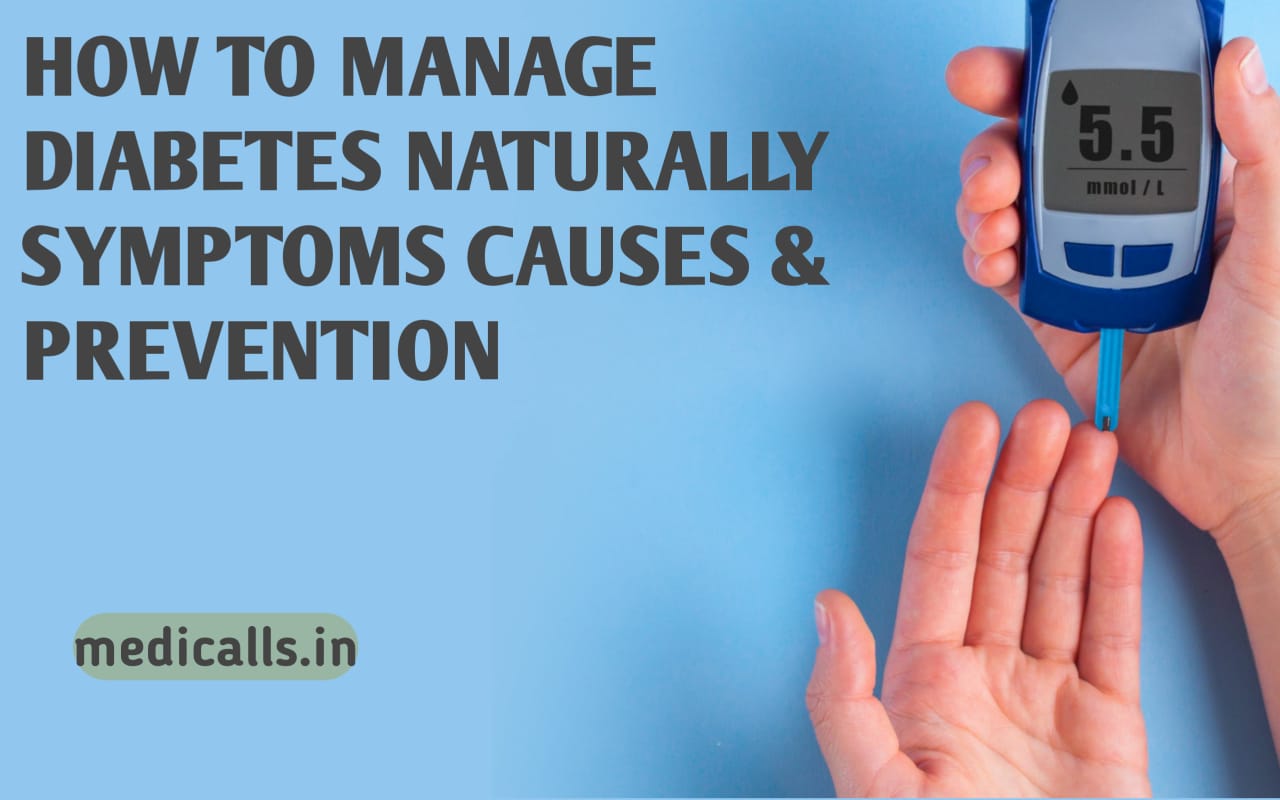
What Is Diabetes
Diabetes is a condition that can worsen if we consume too much sugar it is also known as a blood sugar issue because it affects the body’s ability to process sugar effectively. The only way to manage it is to avoid excessive sugar and outside food, and to undergo regular check-ups. Following these steps is the only way to keep diabetes in check.
Common Symptoms of Diabetes
Common symptoms include:
- Frequent urination
- Increased thirst
- Constant hunger
- Unexplained weight loss
- Fatigue and weakness
- Blurred vision
- Slow-healing wounds
- Frequent infections
- Tingling or numbness in hands and feet
- Dry skin
Whenever you feel this symptom, then only take the facility of getting a checkup done from your doctor.
Causes of Diabetes
Family History
A person with close relatives who have diabetes may have a higher risk.
Physical Inactivity
Regular exercise can significantly increase blood sugar levels.
Unhealthy Diet
Whenever we eat something heavy or unhealthy, it can also lead to this problem.
Age
Blood sugar can occur in older people but it is less common in younger people.
Diabetes Treatment
Diabetes is treated according to the specific type of the condition.
1. Healthy Diet
Healthy food is important for our body.
Include:
- Green vegetables
- Whole grains
- Fresh fruits (in appropriate portions)
- Lean proteins
- Beans and lentils
- Nuts and seeds
- Low-fat dairy products
Limit:
- Sugary drinks
- White bread
- Cakes and pastries
- Candy
- Fried foods
- Highly processed snacks
2. Regular Exercise
Physical activities are beneficial for our body:
It keeps our immunity strong throughout the day.
Aim for:
- 150 minutes of moderate exercise each week
- Brisk walking
- Cycling
- Swimming
- Yoga
- Strength training two to three times per week
3. Medications
Common treatment may include:
- Oral diabetes medications
- Insulin injections (especially for Type 1 diabetes and some people with Type 2 diabetes)
- Other prescription medicines recommended by a healthcare professional
Take medications only as prescribed.
4. Blood Sugar Monitoring
To keep your blood sugar under control, avoid eating too many sweets and exercise daily; also, do not overeat.
5. Weight Management
You should control your diet to avoid excessive fat intake, as this increases the risk of illness; it can lead to various diseases that we might not even be aware of.
Best Diabetes Management Tips
To keep diabetes under control, a routine is required.
- Eat meals at regular times.
- Choose high-fiber foods.
- Drink enough water throughout the day.
- Exercise regularly.
- Get 7–9 hours of quality sleep each night.
- Reduce stress through meditation or relaxation techniques.
- Avoid smoking.
- Limit alcohol intake if you drink.
- Follow your medication schedule.
- Keep regular medical appointments.
Foods That May Help Support Healthy Blood Sugar
Some nutritious options include:
- Oats
- Brown rice
- Quinoa
- Spinach
- Broccoli
- Bitter gourd (bitter melon)
- Fenugreek seeds (as part of a balanced diet)
- Cinnamon (in normal culinary amounts)
- Almonds
- Walnuts
- Chia seeds
- Greek yogurt (unsweetened)
It is worth noting that this does not work for our diabetes.
Possible Complications of Uncontrolled Diabetes
Poorly managed diabetes may increase the risk of:
- Heart disease
- Stroke
- Kidney disease
- Eye damage
- Nerve damage
- Foot ulcers
- Slow wound healing
- Gum disease
Regular treatment doesn’t put you at much risk.
How Can Diabetes Be Prevented
Doing all this helps in preventing diabetes:
- Maintaining a healthy weight
- Eating a balanced diet
- Staying physically active
- Avoiding smoking
- Limiting sugary beverages
- Getting regular health checkups
- Managing blood pressure and cholesterol
When Should You See a Doctor?
Seek medical advice if you notice:
- Persistent excessive thirst
- Frequent urination
- Unexplained weight loss
- Blurred vision
- Slow-healing cuts or wounds
- Persistent fatigue
- Blood sugar readings that remain high despite treatment
Early detection can prevent the disease from spreading.
Conclusion
Diabetes is a condition that prevents the body from keeping blood sugar levels under control and can also affect blood pressure. Therefore, if you experience any symptoms, you should consult a doctor and begin treatment to maintain your health. Additionally, avoid eating outside food and stay away from sweets; doing so can help manage the condition.